What Is The Best Place In The World To See Whale Sharks?
Ningaloo Reef is one of the world's most reliable places to swim with whale sharks: record swim numbers, a long licensed season and strict protections compared with other global destinations.
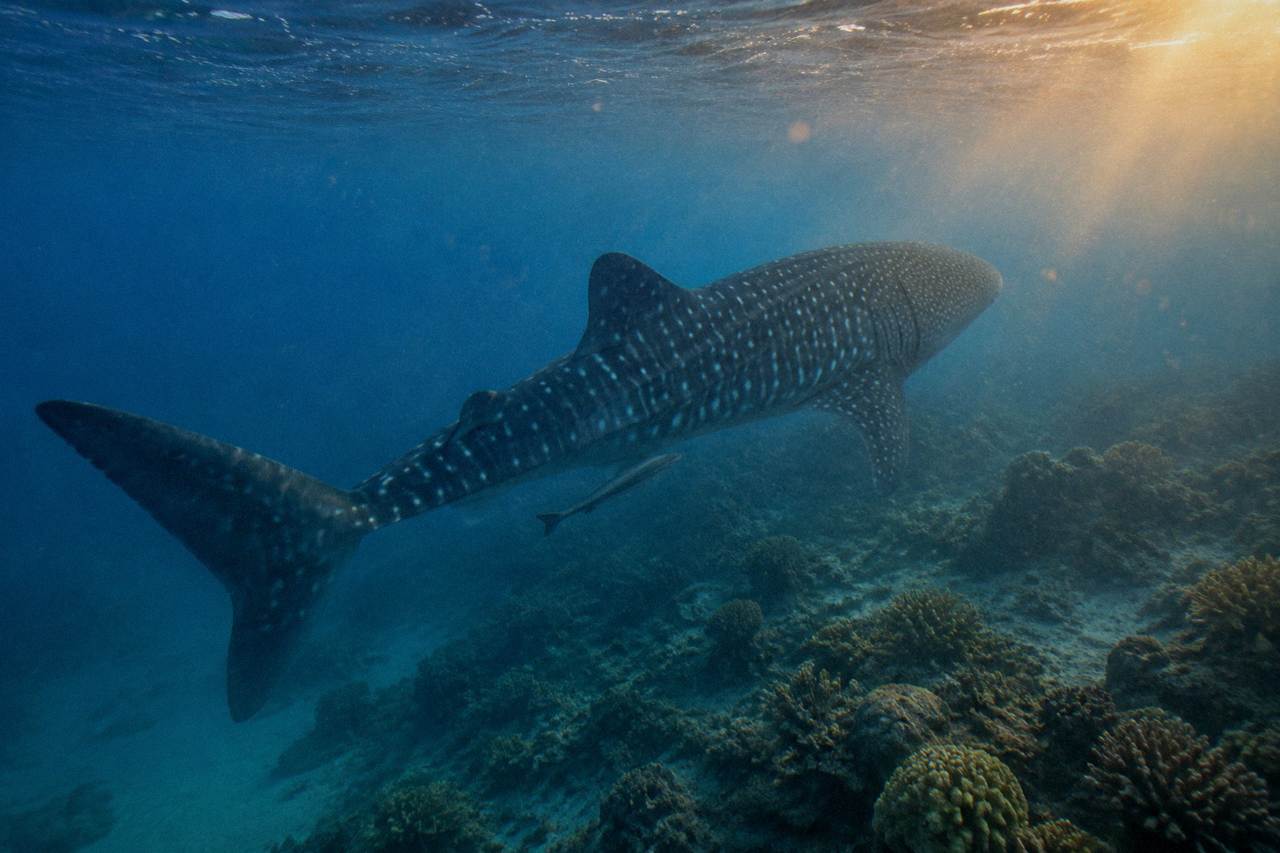
Whale sharks gather at a handful of places around the world, but only one of them puts the biggest fish in the sea within swimming distance of a fringing reef that hugs the coast. Ningaloo, off Western Australia's North West Cape, recorded over 41,000 whale shark swims in the 2025 season, a figure the regional tourism body, Australia's Coral Coast, reports openly, and it did so inside one of the most tightly regulated marine interaction frameworks anywhere. This comparison looks at why the answer keeps coming back to Exmouth and Coral Bay, and what the alternatives genuinely offer. Those success rates raise an obvious question about how much luck is involved, and the guide to your actual chances of seeing a whale shark at Ningaloo answers it plainly.
What Is The Best Place In The World To See Whale Sharks?
Ningaloo Reef in Western Australia is the best place in the world to see whale sharks, because it is one of the few destinations where the sharks feed reliably close to shore, on a predictable annual schedule, inside a licensed and rule-bound swim industry. Over 41,000 swims were recorded there in 2025, more than any comparable program, and the season runs from March, with operators taking guests into August. Once you've settled on Ningaloo, the next choice is where to base yourself, and our guide to swimming with whale sharks in Australia compares Exmouth and Coral Bay along with the tours you can book from each.
The reason is oceanographic. Each March and April, more than 200 coral species spawn simultaneously along the Ningaloo Reef, triggering plankton blooms that pull whale sharks in from the open Indian Ocean. Two currents do the rest: the Leeuwin Current running south and the Ningaloo Current running north create eddies that trap food against a reef that sits, in places, only a few hundred metres from the beach. The whalesharktoursexmouth.com homepage keeps a live comparison of the three swims that matter; the short version is that no other destination combines this proximity, this predictability and this level of regulation in one package.
The predictability deserves emphasis, because it is what most other destinations lack. Whale sharks are highly migratory, crossing entire ocean basins, and in most places their appearance is tied to a narrow feeding event or a passing aggregation that can shift by weeks from one year to the next. At Ningaloo the coral spawn is tied to the lunar and temperature cycle of the reef itself, so the sharks arrive within a repeatable window each autumn and stay while the food lasts. That is why the tourism industry here can publish a season, staff it, and stand behind it, and why the visitor count has grown from about 1,000 swimmers in 1993 to over 36,000 in 2022 without the pattern breaking.
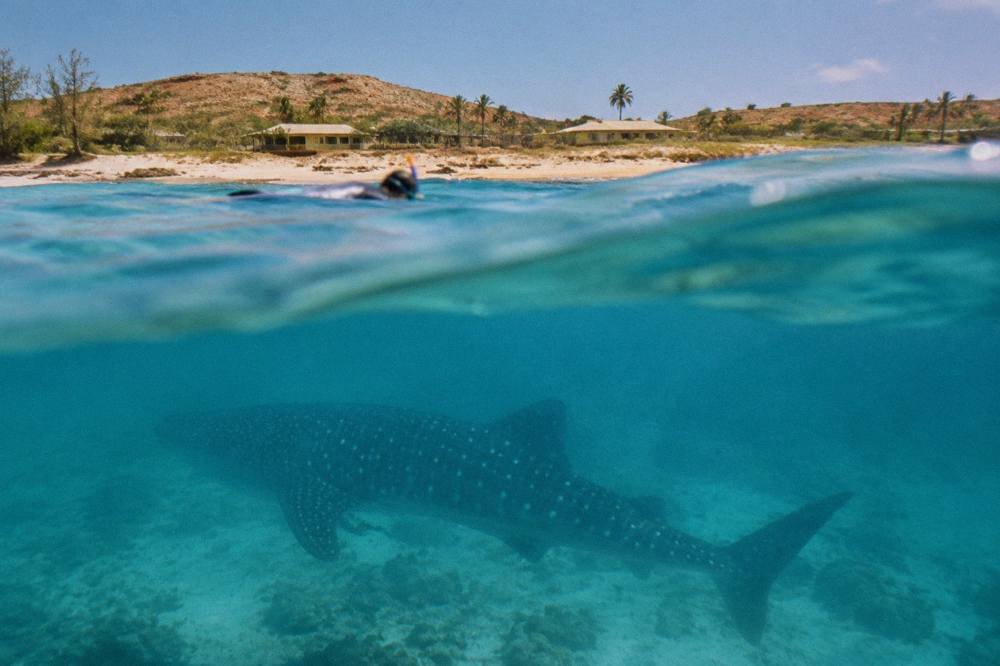
The DBCA, Western Australia's parks and wildlife department, states the core season as March to July, and its Explore Parks page extends that to August. Operators out of Exmouth have met whale sharks as late as early November in both 2024 and 2025, according to Australia's Coral Coast. The 2026 season opened with the first confirmed swim off Exmouth around 12 March. No other site on this list can point to that kind of documented, season-on-season consistency with a government regulator standing behind the rules.
For travellers already shortlisting, the three swims below are the ones to compare first.
Why Ningaloo Beats The Alternatives
The honest comparison is that other whale shark destinations offer either bigger aggregations or warmer water, but none offer Ningaloo's combination of shore proximity, licensed operators, capped group sizes and a months-long season. Whale sharks elsewhere tend to appear at offshore seamounts or feeding grounds reachable only by long boat rides or liveaboards.
Take the main contenders in general terms. Mexico's Yucatan draws large seasonal gatherings near Isla Contoy and Isla Mujeres between June and September, with big tour volumes out of Cancun and Holbox. The Philippines has Pescador Island and Donsol, the latter famous for its early whale shark tourism and its boat-based whale shark interaction, in which watchers stay on the vessel rather than swimming freely. Belize has Gladden Spit, where snapper spawning in spring pulls whale sharks in, but encounters there are hit-and-miss and dives go deep. Tanzania, Mozambique, the Maldives, the Seychelles, Qatar and Oman all record whale sharks, mostly at specific times of year, and mostly with smaller or newer tourism operations.
What separates Ningaloo is the reef itself. Because the fringing reef comes so close to shore, a whale shark day here is a day trip on a small boat, not a liveaboard expedition. A typical day, as described by Australia's Coral Coast, runs from about 7:00 am to 4:00 or 5:00 pm: guests do two inner-reef snorkels while spotter planes search the open water outside the reef, then take repeated guided jumps with groups capped at ten swimmers. The Cape Immersion boat snorkel from Exmouth works the same reef on a smaller scale, rated 4.9 from 138 reviews and from A$275 per person for guests who want the reef without the whale shark price tag.
Regulation is the other differentiator. Commercial whale shark interaction at Ningaloo is licensed by DBCA, and the interaction protocols are legislated: no vessel may motor closer than 30 metres to a shark, only one vessel at a time may occupy the 250-metre approach zone, swimmers must stay at least 3 metres from the head and body and 4 metres from the tail, and no more than ten people may be in the water at once. Not every international destination can say the same, and a traveller comparing destinations should weigh that as heavily as the sighting record.
There is also the matter of what the swim feels like. In places where whale sharks gather at a single baited or spawning site, dozens of boats can converge on the same spot, and the experience can feel crowded even when the animal is close. At Ningaloo the spotter aircraft spread the fleet across a long stretch of open water outside the reef, and the one-vessel contact rule means each group gets its shark, or its patch of ocean, to itself for up to 90 minutes. Guests on the Coral Bay Ecotours Whale Shark Safari, the Ningaloo Blue swim and the Ningaloo Marine Interactions odyssey all describe the same rhythm: a wait, a call from the plane, a burst of activity, then a quiet drift while the shark circles back through the plankton. If you find yourself wondering how those aircraft actually track the sharks, our guide to how spotter planes find whale sharks at Ningaloo explains the whole spotting system and whether it makes a sighting certain.
How The Global Destinations Compare
No destination publishes sighting statistics to a standard that allows a clean ranking, so the fair comparison is structural: season length, how you reach the sharks, and whether swims are regulated. Ningaloo leads on all three, with a shore-hugging reef, a March to August operator season, and legislated swimmer and vessel rules enforced by a state government agency.
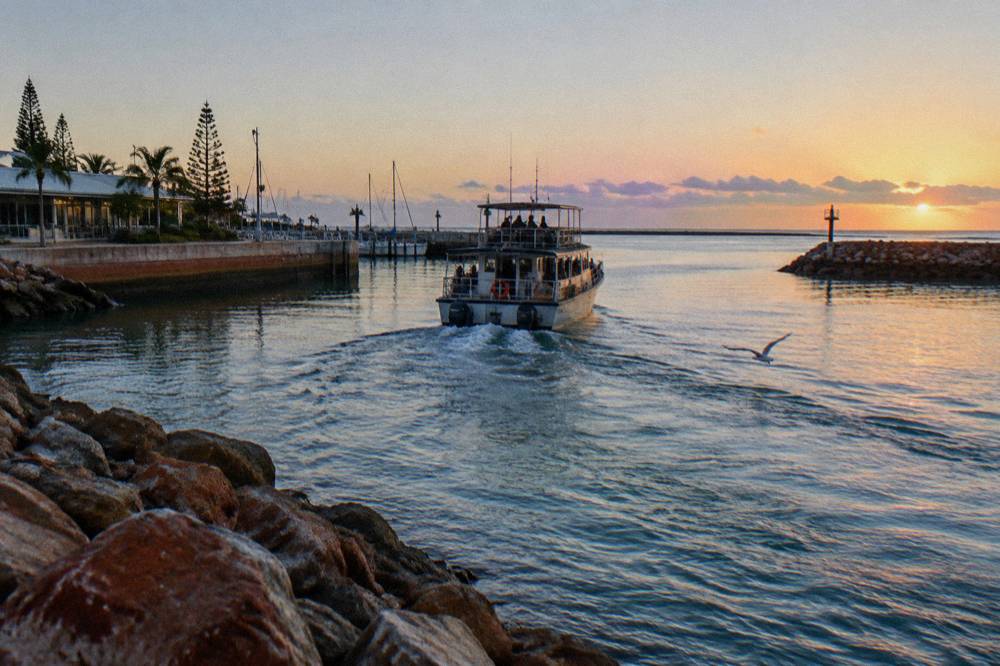
The table below keeps to what can be said in general terms from published sources, without inventing figures for other countries. Where a destination does not publish a number, it says so.
| Destination | Season (general) | How you reach the sharks | Swim regulated |
|---|---|---|---|
| Ningaloo Reef, Australia | March to July per DBCA, operators to August, sightings often later | Small boats from Exmouth or Coral Bay, reef close to shore, spotter planes | Yes, DBCA licensed, legislated protocols |
| Yucatan, Mexico | Roughly June to September | Day boats from Cancun, Isla Mujeres, Holbox | Permitted zones, mixed operator standards |
| Pescador and Donsol, Philippines | Varies by site, Donsol boats often run roughly November to June | Donsol is largely boat-based watching; Pescador is a snorkel site | Locally regulated, rules vary by site |
| Gladden Spit, Belize | Spring snapper spawns, patchy | Dive boats from Placencia, deeper dives | Marine reserve with seasonal rules |
| East Africa and Indian Ocean sites | Seasonal, site specific | Often shore entries or short boat rides | Varies widely by country |
Two structural points do the heavy lifting for Ningaloo. First, the whale sharks come to the reef, so the boat ride is short and the sea state inside the lagoon is manageable for nervous swimmers. Second, the industry here is mature: the visitor count has gone from about 1,000 swimmers in 1993 to over 36,000 in 2022 without the interaction rules being loosened, and No rule changes have been announced on DBCA's published pages for 2025, 2026 or 2027. That stability is why the department's whale shark management page is worth reading before you book anywhere.
A third point is access. Ningaloo is served by direct Qantas flights from Perth to Learmonth, just under two hours in the air, with the airport about 25 minutes from Exmouth and about an hour and ten minutes from Coral Bay. For international visitors that means one domestic connection from Perth, a short transfer, and a swim the next morning. Several of the overseas destinations on this list sit at the end of multi-day itineraries, ferry rides or liveaboard commitments, and the total cost of reaching the water there can dwarf the ticket price of the swim itself.
What The Rules And Protections Mean For Your Swim
Swimming with whale sharks at Ningaloo is governed by two legislated interaction protocols, one for swimmers and one for vessels, that cap group size at ten, set minimum distances, ban flash and pole cameras, and bar scuba diving entirely. Few international destinations enforce anything close, and the rules are the reason the shark keeps coming back.
The swimmer rules are specific: no touching or riding, no restricting the animal's movement, 3 metres from head and body, 4 metres from the tail, no motorised propulsion aids, and a 60-minute ceiling on any single interaction. Vessels get their own protocol: one boat at a time in the 250-metre approach zone, a 90-minute maximum, 6 knots, and both a whale shark flag and dive flags flying while swimmers are in the water. The Gujawari information guide from the parks service adds the cultural layer, the whale shark is gujawari to the Baiyungu, Thalanyji and Yinigurdira people, and Ningaloo itself is Nyinggulu. The full index of guides sits on Whale Shark Tours Exmouth.
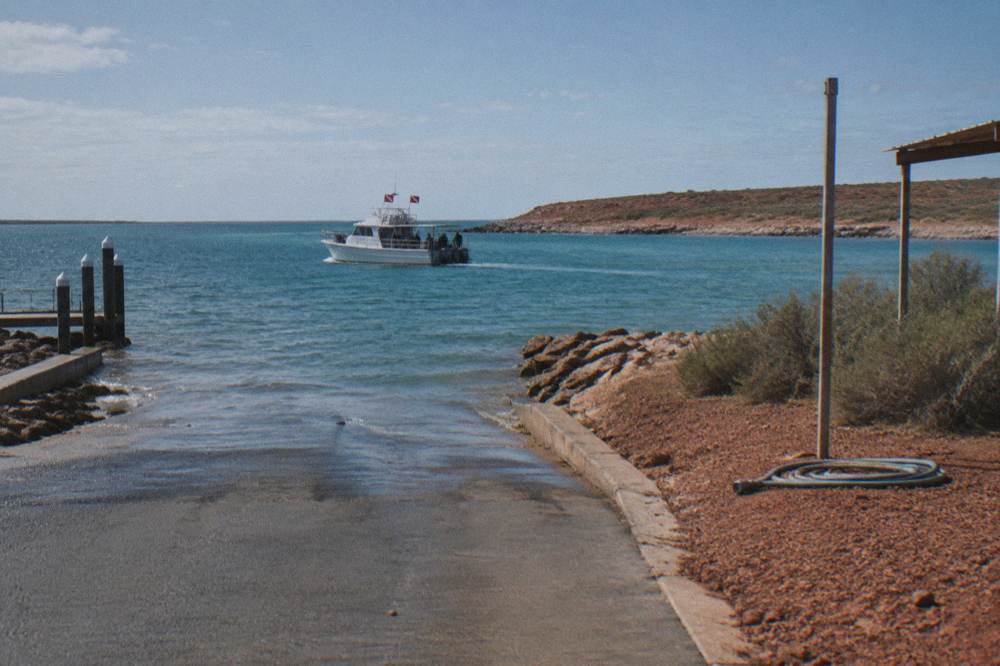
One thing these rules do not do is promise a sighting. Whale sharks are wild animals, and no listing on this site's roster states a sighting guarantee. A quiet day is possible on any tour, anywhere in the world, and the honest framing is to check each operator's live listing for its own terms. The Ningaloo Blue swim, the Coral Bay Ecotours Whale Shark Safari and the Ningaloo Marine Interactions Whaleshark Odyssey, the three swims compared in our Ningaloo swim day walkthrough, all run under the same DBCA framework even though their boats, towns and group sizes differ.
That framework matters more than people expect when picking a global destination. The whale shark is Endangered on the IUCN list, Migratory and Vulnerable under Australian federal environment law, and specially protected in Western Australia. A swim in a place that takes that seriously costs the animal nothing and buys the traveller a better run, better briefed experience. The deeper question of whether whale sharks are dangerous answers itself the same way: they are filter feeders, and the rules exist to protect them from us.
The photography rules deserve a note too, because they shape what you take home. Flash is banned and cameras on extension poles are banned, so the classic Ningaloo shot, a swimmer silhouette above a whale shark backlit by sun, is taken with a handheld camera at surface distance. Many operators include professional photos in the ticket or sell packages on board; check the live listing for what each swim includes. The rules on cameras are laid out in full in our guide to whale shark photos at Ningaloo.
What It Costs And When To Go
Whale shark swims on this roster run from A$700 to A$745 per person for a full day, between March and August, with humpbacks and mantas filling the calendar on either side. That price band sits within the range of comparable international swims once flights and multi-day commitments are counted, and Ningaloo needs only one clear day.
The season logic is simple. The DBCA core window is March to July; Exmouth operators run tours to August; Coral Bay tours typically run March to the end of June; sightings have stretched to October and early November in recent years. April to July is the heart of it, and that is also when humpbacks begin arriving, with the humpback season running June to November and swim encounters roughly August to October. Mantas are resident at Coral Bay year-round. A traveller who wants the fullest week on the water aims for the overlap, and the best month question gets a longer answer elsewhere on this site.
| Listing | Departs | Duration | Price | Rating |
|---|---|---|---|---|
| Whale Shark Swim, Hotel Pickup (Ningaloo Blue) | Exmouth, pickup offered | 6 to 7 hours | from A$705 | 4.8 from 219 reviews |
| Whale Shark Swim, Champagne Lunch (Coral Bay Ecotours) | Coral Bay, meet at point | 8 to 9 hours | from A$745 | 4.8 from 173 reviews |
| Nine-Hour Whale Shark Odyssey (Ningaloo Marine Interactions) | Coral Bay, meet at point | 9 hours | from A$700 | 5 from 23 reviews |
Differences between the three are practical rather than qualitative. The Ningaloo Blue swim is the only one with hotel pickup from Exmouth, which matters if you are staying in town without a car. The Coral Bay Ecotours safari includes a meal and runs the longest day at 8 to 9 hours, with a note that a park fee is extra, A$20 per adult and A$10 per child payable before departure. The Ningaloo Marine Interactions odyssey is the small-sample standout, a perfect 5 from 23 reviews, no meal listed, and the longest water time of the three. Cancellation terms differ too: the Ningaloo Blue listing states the sale is final, while the two Coral Bay swims list free cancellation, so read the live listing before committing.
For context on cost against the wider world, Australia's Coral Coast whale shark page lays out the season structure from both towns and the 41,390 swim figure for 2025. Comparable swims in Mexico, Belize or the Philippines often look cheaper on the sticker, then add park fees, longer transfers and, in the case of liveaboard destinations, the boat itself.
If Ningaloo Wins, Which Swim Should You Book?
Base the choice on your town, not the shark: Exmouth for pickup convenience and the longer operator season to August, Coral Bay for the shorter transit to the sharks and the town's year-round mantas. The Ningaloo Blue swim from Exmouth, from A$705, suits travellers without a car; the Coral Bay options suit anyone already staying south.
Exmouth is the bigger base, with more accommodation, more operators and flights into Learmonth about 25 minutes away on the Perth route. Coral Bay is smaller and quieter, roughly 150 km south, with reef straight off the beach and the manta ray operations that work it, from the half-day Ningaloo Reef Dive manta trip from A$220 to the Coral Bay Ecotours Marine Eco Safari from A$350, rated 4.8 from 565 reviews. Our full Exmouth versus Coral Bay comparison works through the trade-off in detail.
The Ningaloo Blue swim is the one this site features most often for a reason: hotel pickup from Exmouth, 6 to 7 hours on the water, a group of 18, a meal on the listing, and a 4.8 rating across 219 reviews, the deepest review pool of the three swims. Its terms are the strictest on the roster, the listing states the sale is final, so travellers who want flexibility should weigh the free-cancellation Coral Bay swims instead. Both Coral Bay departures meet at a stated point rather than offering pickup, which is normal for the town.
One last planning note: book ahead. The season is long but the peak weeks are not, and the peak-season accommodation occupancy across Exmouth's major properties runs high from April to October. The question of how far in advance to book is answered at length elsewhere, but the short version for the world's best whale shark destination is that the best weeks fill first.
Before the closing questions, here is the shortlist again, side by side.
Common Questions About Seeing Whale Sharks
What Is The Best Place In The World To See Whale Sharks?
Ningaloo Reef in Western Australia. It is the only major destination where whale sharks feed predictably close to shore, inside a licensed swim industry regulated by DBCA, with a March to July core season that operators extend to August and sightings that have stretched into November in recent years.
Are whale shark sightings guaranteed at Ningaloo?
No. Whale sharks are wild animals and no listing on this roster states a sighting guarantee. Ningaloo's record is strong, over 41,000 swims in 2025, but a quiet day is possible on any tour. Check each operator's live listing for its own terms before booking.
How many people swim with whale sharks at Ningaloo each year?
Over 41,000 swims were recorded in the 2025 season, according to Australia's Coral Coast. DBCA's own figures show growth from about 1,000 swimmers in 1993 to over 36,000 in 2022.
Can you scuba dive with whale sharks at Ningaloo?
No. The recreational interaction rules prohibit scuba diving with whale sharks entirely; swims are snorkel only, limited to 60 minutes, with a maximum of ten swimmers in the water at one time and minimum distances of 3 metres from the head and body and 4 metres from the tail.
When is whale shark season at Ningaloo?
DBCA states March to July. Explore Parks extends the window to August, Exmouth operators run tours to August, Coral Bay tours typically run March to the end of June, and sightings have been reported as late as early November in 2024 and 2025.
Is Ningaloo the cheapest place to swim with whale sharks?
Not necessarily on the sticker price. Swims on this roster run from A$700 to A$745 per person, and some overseas destinations advertise lower headline prices. Once flights, transfers, park fees and multi-day commitments are counted, Ningaloo's single clear day and short boat ride make it competitive, and it is the only destination with legislated swimmer and vessel protocols.