Do Spotter Planes Find The Whale Sharks At Ningaloo?
A spotter plane is the key to finding whale sharks at Ningaloo Reef. Learn how aircraft spotting works, which tours use a plane, and whether it guarantees a sighting.
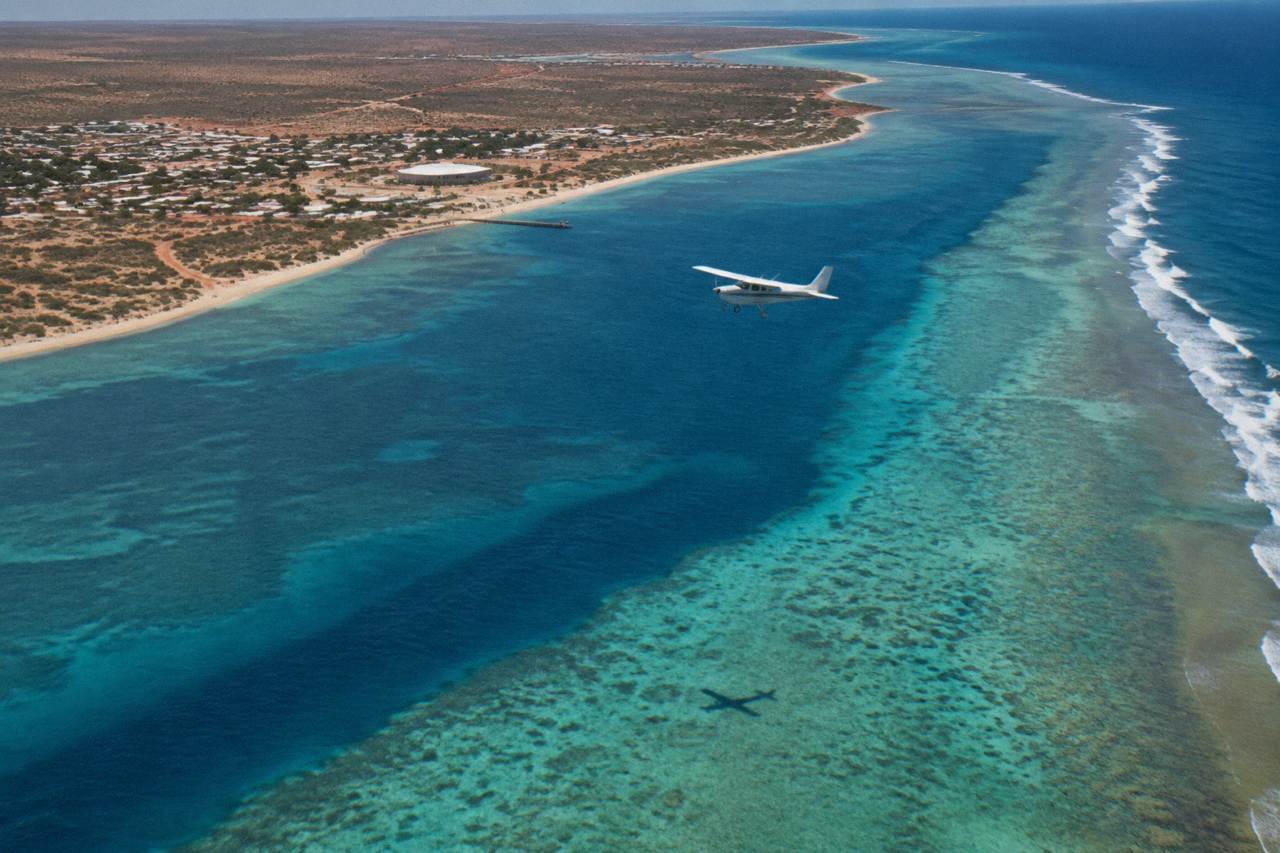
Here at Whale Shark Tours Exmouth, we compared the listings to show exactly how spotter planes fit into the day. A spotter plane is an integral part of the whale shark search at Ningaloo Reef. On a typical full-day tour, a light aircraft takes off early and scans the ocean from above, relaying positions to the boat below. But how does it work, and does it guarantee a sighting? This article explains the role of spotter planes, which tours use them, and what you are really paying for.

Do Spotter Planes Find The Whale Sharks At Ningaloo?
Yes, spotter planes are the primary method for locating whale sharks on Ningaloo tours. A light aircraft flies above the reef, searching for the dark silhouettes of whale sharks near the surface. The pilot radios the boat with coordinates, and the vessel heads to the location. This system greatly increases the odds of a swim, but it does not guarantee a sighting because the sharks are wild and can dive deep or move away.
On a standard full-day whale shark tour, guests leave their accommodation around 7am, board a bus to the boat ramp, and head out for two inner-reef snorkel sessions while the spotter plane searches. The plane covers a wide area, often flying for an hour or more before locating a shark. Once a shark is found, the boat moves to intercept, and groups of up to 10 swimmers take turns in the water (see Whale Shark Safety). The plane may continue to circle, helping the crew track the shark’s movement and reposition the boat for additional jumps. After the swims, a late lunch is served on the return trip, with everyone back by 4pm to 5pm. This day pattern, described by Australia’s Coral Coast, is the backbone of every full-day whale shark experience on the reef.
The spotter plane is not an optional extra, it is the core of the search. Without it, the boat would rely on luck and surface sightings from the deck, which dramatically lowers the chance of finding a shark in the vast Ningaloo Marine Park. The plane can see several kilometres in every direction and spot the dark shape of a whale shark even in choppy conditions. The pilot communicates with the boat captain via radio, giving the shark’s location, direction of travel, and estimated speed, so the crew can prepare swimmers for the first jump.
How Does A Spotter Plane Work On A Whale Shark Tour?
The spotter plane is a small, single-engine aircraft that takes off from Exmouth or Coral Bay early each morning. The pilot flies a grid pattern over the reef, looking for the dark shape of a whale shark just below the surface. When a shark is spotted, the pilot radios the boat with its location, direction of travel, and estimated speed. The boat captain then navigates to the coordinates, and the crew prepares swimmers for the first jump.
The plane typically flies at a low altitude, around 500 to 1,000 feet, which gives the pilot a clear view of the water. The search area can stretch for tens of kilometres, far beyond what a boat can scan from the surface. Because whale sharks often cruise just under the surface, their dark bodies create a distinct silhouette against the lighter reef and sand below. The pilot looks for that shape, as well as any shadow or disturbance that suggests a large animal near the surface. Once a shark is located, the pilot stays overhead, circling and updating the boat as it approaches. The boat then drops swimmers ahead of the shark’s path, giving them the best chance of a close encounter.
The Department of Biodiversity, Conservation and Attractions (DBCA) does not prohibit spotter planes in its whale shark interaction rules. In fact, aircraft are a standard tool for licensed operators, and many tours own or contract a dedicated plane for the season. The plane may work with one boat or share information among a small group of vessels, depending on the operator’s setup. The key point is that the plane is the primary search tool, not a backup.
The aircraft itself is usually a high-wing Cessna or similar model, chosen for its excellent downward visibility and slow flight characteristics. The pilot is often a specialist with hundreds of hours of low-altitude survey experience, trained to distinguish whale sharks from other dark shapes like manta rays, whale shadows, or patches of reef. The search pattern is methodical: the plane flies parallel lines over the known aggregation zones, covering the outer reef where whale sharks feed on plankton blooms. When the pilot spots a shark, the radio call includes not just the GPS coordinates but also the shark’s heading and speed, so the boat can plan an intercept course that puts swimmers in the water ahead of the animal, never behind it.
| Time | Activity |
|---|---|
| 7:00 am | Pickup from Exmouth or Coral Bay accommodation |
| 7:30 am | Arrive at boat ramp, board vessel, safety briefing |
| 8:00 am | Depart for inner reef; spotter plane takes off |
| 8:30 am to 10:00 am | Two inner-reef snorkel sessions while plane searches |
| 10:00 am to 1:00 pm | Plane locates whale shark; boat moves to intercept; repeated swims in groups of up to 10 |
| 1:00 pm to 2:00 pm | Late lunch served on board |
| 2:00 pm to 4:00 pm | Return cruise, possible additional snorkel or wildlife viewing |
| 4:00 pm to 5:00 pm | Arrive back at boat ramp, transfer to accommodation |
The schedule above is the typical rhythm of a full-day whale shark tour with a spotter plane. The exact timing depends on how quickly the plane finds a shark and how many jumps the group gets. On a good day, swimmers may enter the water four or five times. On a quiet day, the plane may search for hours without a sighting, and the crew will focus on reef snorkelling and other marine life.
Which Tours Use A Spotter Plane At Ningaloo?
Most full-day whale shark tours departing from Exmouth and Coral Bay include a spotter plane in the day’s search. The typical pattern described above applies to the Ningaloo Blue swim, the Coral Bay Ecotours safari, and similar full-day trips. Additionally, the Ningaloo Reef Dive half-day manta ray tour specifically advertises a spotter plane in its name, showing that aircraft spotting is also used for other marine life.
The Ningaloo Blue whale shark swim from Exmouth follows the standard full-day format with a spotter plane. The tour departs from Tantabiddi Boat Ramp or offers hotel pickup, and the day includes inner-reef snorkels, a search with the plane, and repeated swims with the sharks. The listing does not itemise the plane separately because it is built into the day’s operation. With a rating of 4.8 from 219 reviews and a price from A$705 per person, it is one of the most established tours on the reef. Keep in mind that the listing states the sale is final and non-refundable, so check the terms before booking.
The Coral Bay Ecotours whale shark safari also runs a full day with a spotter plane, departing from Coral Bay. This tour carries up to 20 guests and includes a champagne lunch, with a rating of 4.8 from 173 reviews. The price starts at A$745 per person, and a park fee of $20 per adult is extra, payable before departure. The listing does not offer pickup, so guests meet at the designated point in Coral Bay. Like the Ningaloo Blue tour, the spotter plane is a standard part of the operation, not an add-on.
A third full-day whale shark option, the Ningaloo Marine Interactions odyssey, also relies on a spotter plane. This tour departs from Coral Bay, runs for nine hours, and carries up to 20 guests. It is rated 5 from 23 reviews and priced from A$700 per person. The listing does not state a meal, so check what is included, and there is no pickup, guests meet at the operator’s address. The spotter plane is part of the search on this tour as well, following the same day pattern.
A different example is the Ningaloo Reef Dive half-day manta ray tour. Its card name is “Half-Day Manta, Spotter Plane,” and the listing explicitly states that a spotter plane is used to locate manta rays. This is a five-hour trip from Coral Bay, priced from A$220 per person, with a rating of 5 from 4 reviews. It is not a whale shark tour, but it demonstrates that the spotter plane method is used across multiple wildlife experiences at Ningaloo.
| Tour | Type | Spotter Plane | Price From | Rating |
|---|---|---|---|---|
| Ningaloo Blue Whale Shark Swim | Full-day whale shark | Yes (typical) | A$705 | 4.8 (219) |
| Coral Bay Ecotours Whale Shark Safari | Full-day whale shark | Yes (typical) | A$745 | 4.8 (173) |
| Ningaloo Marine Interactions Odyssey | Full-day whale shark | Yes (typical) | A$700 | 5 (23) |
| Ningaloo Reef Dive Half-Day Manta | Half-day manta ray | Yes (listing title) | A$220 | 5 (4) |
The table above shows four tours that use spotter planes, either as a standard part of the full-day whale shark pattern or as a featured element in the manta trip. If a spotter plane is important to you, look for tours that follow the full-day format or that mention the plane in the listing. The Ningaloo Blue swim is a solid choice for a full-day whale shark experience with aerial support.
The spotter plane typically operates from a local airstrip, taking off shortly after the tour boat departs. Once airborne, the pilot flies a search pattern over the reef and open water, often at a few hundred feet, scanning for the dark silhouette of a whale shark just below the surface. The plane’s observer, sometimes the pilot, radios coordinates directly to the boat’s skipper, who then navigates to the location. This aerial perspective can cover in a few minutes what a boat might take hours to survey, dramatically increasing the likelihood of a successful encounter.
Communication between plane and boat is constant, with updates on the shark’s direction and speed. The boat approaches slowly, and a spotter on board may also look for the shadow or a telltale slick from the shark’s feeding. Once the plane has guided the boat to the animal, swimmers enter the water in small groups with a guide, while the plane might continue circling to monitor the shark’s movement and alert the crew if it changes course. This teamwork is especially valuable when sharks are moving quickly or diving.
In addition to whale sharks, spotter planes are used for manta rays, as seen with the Ningaloo Reef Dive tour. Mantas are often spotted from the air by their wide, dark shapes gliding near the surface. The plane can also help locate other marine life like dolphins or turtles, though the primary focus remains on the target species. The use of a spotter plane is weather-dependent; strong winds or low cloud can ground the aircraft, and in such cases, the boat relies on its own crew and lookouts. Operators typically do not offer refunds if the plane cannot fly, as it is a tool, not a guaranteed service, but they will still attempt to find animals using the boat’s own search methods.
Do Spotter Planes Guarantee You Will See A Whale Shark?
No, a spotter plane does not guarantee a sighting. Whale sharks are wild animals that can dive deep, change direction, or simply not be in the search area on a given day. The plane greatly increases the chances by covering far more ocean than a boat alone, but even with aerial support, there are quiet days. No tour on this site lists a sighting guarantee, so a swim is never a certainty.
The DBCA season for whale sharks runs from March to July, with operators extending tours to August and sometimes into October or early November when sightings persist. The spotter plane is especially valuable during the shoulder months when sharks are fewer and more scattered. In the peak of the season, a plane may locate several sharks in a morning, but there is no promise of a swim. The only guarantee on a Ningaloo tour is that the crew will do everything possible to find a shark, and the plane is the best tool for that job. If you're wondering where those odds actually stand, this honest look at your chances of seeing a whale shark at Ningaloo explains why tours succeed so often in season and where the real limits sit.
No whale shark listing on this roster states a repeat trip or a refund for a quiet day, so the terms printed on the listing are the only ones that apply. Always check the listing for the specific terms. The role of the spotter plane is to maximise the odds, not to eliminate the uncertainty that comes with any wildlife encounter. Guests who understand this tend to have a better experience, because the day is about more than just the swim: the reef snorkels, the flight overhead, and the sheer scale of the search are part of the adventure.
The DBCA interaction rules do not require a sighting guarantee, and no licensed operator can promise one. The spotter plane is simply the most effective search tool available, and its presence is reflected in the high sighting rates that many tours report, though those rates are not published on the listings. The Ningaloo Marine Interactions odyssey, for example, carries a 5-star rating from 23 reviews, and many reviewers mention successful swims, but the listing itself makes no guarantee. The same applies to the Coral Bay Ecotours safari and the Ningaloo Blue swim. The plane improves the odds, but the ocean always has the final say.
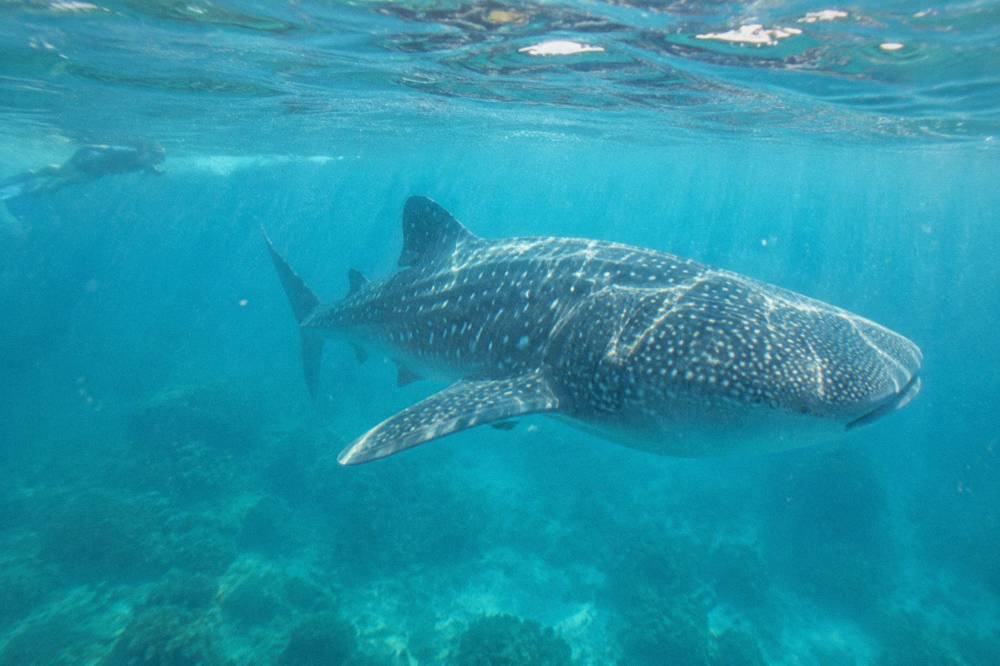
What Else Is The Spotter Plane Looking For?
Beyond whale sharks, spotter planes also search for other marine life that tours target, such as manta rays, humpback whales, dolphins, and turtles. During the humpback migration from June to November, the plane can spot pods of whales at the surface, allowing boats to position for a swim or a closer look. The Ningaloo Reef Dive half-day manta tour, for example, uses a spotter plane specifically to find manta rays.
Manta rays are a year-round resident population at Coral Bay, and many tours combine a manta swim with the whale shark search. The spotter plane can locate cleaning stations where mantas gather, or spot them cruising near the surface. On a manta ray swim tour, the plane works the same way: it flies a grid, radios the boat, and the crew drops snorkellers in the path of the rays. The half-day manta tour from Ningaloo Reef Dive is a clear example of a listing that names the spotter plane as a key feature.
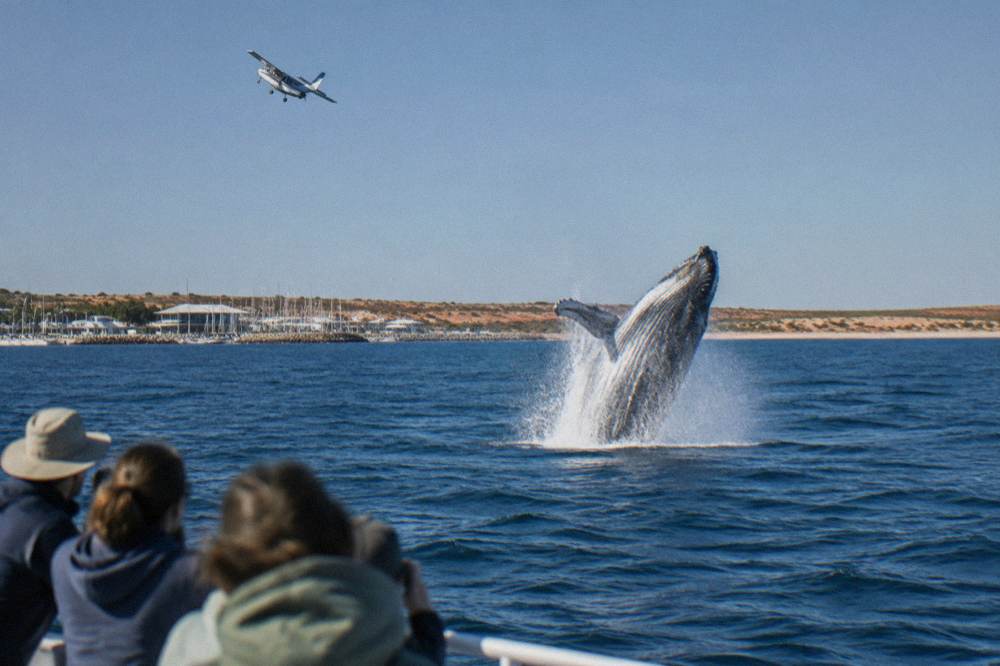
During humpback season, which runs from June to November with swim tours typically from August to October, the spotter plane shifts its focus to the migrating whales. The plane can see the blows and breaches from miles away, guiding the boat to the pod. On a humpback whale swim tour, the plane is just as important as it is for whale sharks, because humpbacks are constantly moving and can cover large distances quickly. The plane tracks their direction and speed, giving the boat the best chance of a close encounter.
The Coral Bay Ecotours humpback safari, for instance, is a full-day trip from Coral Bay that uses a spotter plane to find humpback whales. It is rated 5 from 87 reviews and priced from A$745 per person, with a group size of 14 and a champagne lunch included. The spotter plane is essential here because humpbacks migrate quickly, and the plane can cover far more ocean than the boat alone. The same principle applies to the Ningaloo Blue swim when it operates in the shoulder season, where the plane may spot both whale sharks and humpbacks on the same day.
The spotter plane also adds to the overall experience. Guests on the boat often watch the aircraft circling overhead, knowing that it is searching for the next encounter. When the plane banks and the radio crackles, there is a palpable sense of anticipation. That moment, when the captain announces “we have a shark” or “whales ahead,” is a direct result of the eyes in the sky.
Common Questions About Spotter Planes And Whale Sharks
Do Spotter Planes Find The Whale Sharks At Ningaloo?
Yes, spotter planes are the primary method for locating whale sharks on Ningaloo tours. They fly above the reef, spot the sharks from the air, and radio the boat with coordinates. This greatly increases the odds of a swim but does not guarantee a sighting.
Do all whale shark tours use spotter planes?
Most full-day whale shark tours from Exmouth and Coral Bay include a spotter plane as part of the day’s search. Some shorter or specialised tours may not. Check the listing to confirm whether a plane is used.
Can I see whale sharks without a spotter plane?
Yes, it is possible to see whale sharks without a plane, but the chances are lower. Boats rely on surface sightings from the deck, which are less reliable than aerial spotting. A spotter plane significantly improves the odds.
How much does a spotter plane tour cost?
The cost of the spotter plane is included in the tour price. Full-day whale shark swims range from A$700 to A$745 per person, and the plane is part of that package. There is no separate fee for the aircraft.
Are spotter planes safe?
Yes, spotter planes are operated by experienced pilots who follow all aviation regulations. They fly at safe altitudes and are a standard part of commercial whale shark tours at Ningaloo.
Can the plane spot other animals?
Yes, spotter planes also locate manta rays, humpback whales, dolphins, and turtles. During humpback season, the plane is used to find pods of whales for swim tours.