Do You Need To Be A Strong Swimmer To Swim With Whale Sharks At Ningaloo?
Swimming ability is a go or no-go question for a Ningaloo whale shark swim. Here is what actually happens in the water, what support exists, and how non-swimmers can still join a tour from Exmouth or Coral Bay.
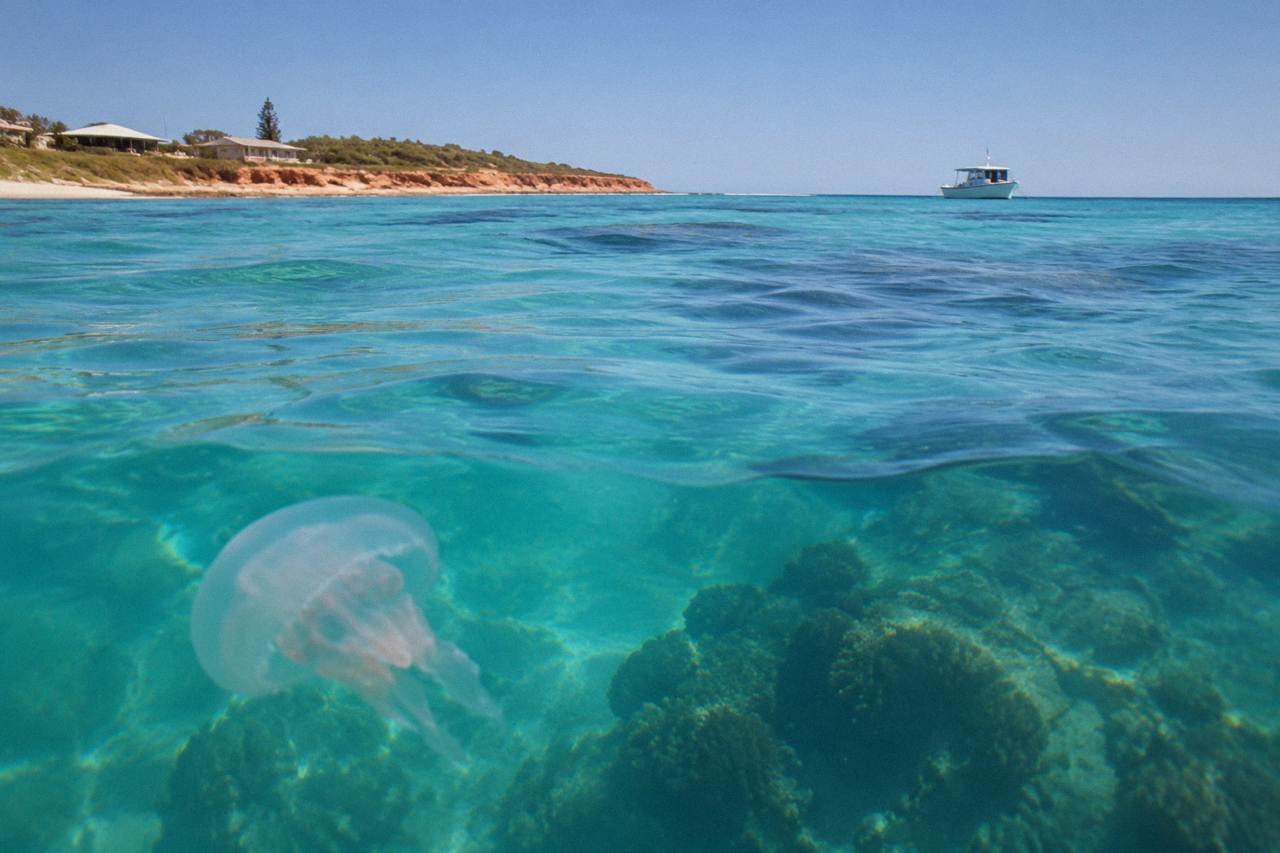
Swimming ability is the single question that stops more people booking a Ningaloo whale shark swim than any other, including price. The honest answer is that a whale shark swim is a snorkel, not a dive and not a race, and the day is structured around ordinary swimmers rather than athletes. The typical day tour leaves accommodation about 7:00 am and returns between 4:00 and 5:00 pm, includes two inner-reef snorkels while the spotter planes search, and puts swimmers in the water in groups of up to ten with a guide, from boats carrying up to around twenty guests. That structure, described by the regional tourism body for tours out of both Exmouth and Coral Bay, exists precisely so that average water confidence is enough. The Ningaloo Blue swim from Exmouth, the Coral Bay Ecotours safari and the Ningaloo Marine Interactions odyssey all run on this same broad pattern: short bursts in the water beside a guide, not long unaccompanied swims. If the other worry quietly holding you back is what else might be in the water, the sourced guide to crocodiles and other marine life at Ningaloo Reef covers what has actually been recorded there and how tours keep snorkellers safe.
Do You Need To Be A Strong Swimmer To Swim With Whale Sharks At Ningaloo?
No, you do not need to be a strong swimmer, but you do need to be a competent snorkeller who is comfortable in open water you cannot stand in. Every Ningaloo whale shark swim is a surface snorkel in the open ocean, done in short bursts beside a guide, with flotation support and wetsuits provided. The real requirement is confidence, not speed or stamina.
The distinction matters. A whale shark swim is not a long-distance swim: the regional tourism body's description of a standard day tour has guests making repeated short jumps from the boat, each one a brief snorkel alongside a guide while the animal passes. You are never asked to swim a long way, and you are never in the water alone. What you are asked to do is float and fin on the surface in deep water, keep your mask clear, and follow a guide's direction while something the size of a bus glides past below you.
That is a different proposition from a pool. The water outside the reef is deep, there can be swell and current, and there is no edge to hold. People who snorkel happily on holiday usually manage fine. People who have never snorkelled, or who panic when they cannot touch the bottom, sometimes do not, and no operator can assess that for you in advance. The listings on this site do not state a formal swimming-ability policy, so the right move is to check the listing and speak to the operator directly before booking, and to describe your ability honestly when you do.
It also helps to compare the three whale shark swims on this site's roster, because the formats differ slightly. The Ningaloo Blue swim from Exmouth takes up to 18 guests with hotel pickup, from A$705 per person. The Coral Bay Ecotours Whale Shark Safari takes up to 20 guests over 8 to 9 hours, from A$745. The Ningaloo Marine Interactions odyssey, 5 from 23 reviews, runs about 9 hours from Coral Bay, from A$700.
What Swimming Ability Do Ningaloo Whale Shark Tours Actually Require?
The honest answer is that no listing on this site states a formal swimming standard, so you should check the listing and ask the operator directly. What the format itself demands is basic snorkelling: floating, finning short distances, clearing a mask, and following a guide in water too deep to stand in. Flotation aids and wetsuits are part of the standard kit.
We compared the listings, and none of the whale shark products states a minimum swimming level, a swim test or a distance requirement. That is not an oversight, it reflects how the day works. The Department of Biodiversity, Conservation and Attractions, which licenses every commercial whale shark tour in Ningaloo Marine Park, sets interaction rules rather than swimming tests: no more than ten swimmers in the water at one time, swimmers kept at least 3 metres from the head or body and 4 metres from the tail, no scuba diving at all, and no motorised propulsion aids. You can read the full protocol on the DBCA whale shark management page.
What that means in practice is a guided, controlled interaction. A guide is in the water with each group, the boat is close, and the swim itself lasts seconds to minutes per jump. Wetsuits help enormously here: a full wetsuit adds buoyancy, so most guests float without effort, and operators provide them as standard along with masks, fins and snorkels. If you can float in a pool and kick gently, you have the physical side covered.
The mental side is the harder one. Open ocean water moves, and first-timers sometimes find the combination of deep water, swell and a very large animal disorienting even when they are perfectly safe. If you have never snorkelled, it is worth doing a practice snorkel before your trip, and there are good low-stakes ways to do that at Ningaloo itself, which we cover below. The whale shark swim rules at Ningaloo guide sets out the full in-water protocol if you want the detail.
| What the day asks of you | What it does not ask | Support provided |
|---|---|---|
| Float and fin on the surface in short bursts | Long-distance swimming | Wetsuit adds buoyancy |
| Keep a mask clear and breathe through a snorkel | Breath-hold or free diving | Guide in the water with each group |
| Follow a guide's direction quickly | Independent navigation | Boat stays close to swimmers |
| Stay calm in water too deep to stand in | Speed or stamina | Flotation aids and crew support |
How Does A Whale Shark Swim Work If You Are Not A Confident Swimmer?
The day is built in stages, and each stage filters for ability before the whale shark jump happens. Two guided reef snorkels come first, which act as a natural assessment, then swimmers enter the water in groups of up to ten with a guide for short passes beside the shark. Weak swimmers get flotation, a guide and repeated short jumps.
The structure is the safety system. The regional tourism body describes the standard day tour pattern: a bus from your accommodation about 7:00 am, two inner-reef snorkels while the spotter planes search offshore, then the whale shark interactions in guided groups, a late lunch and a return between 4:00 and 5:00 pm. Those first reef snorkels matter more than most guests realise. They get you comfortable with the gear, they let the crew see how you handle open water, and they give you a chance to practise before anything big appears.
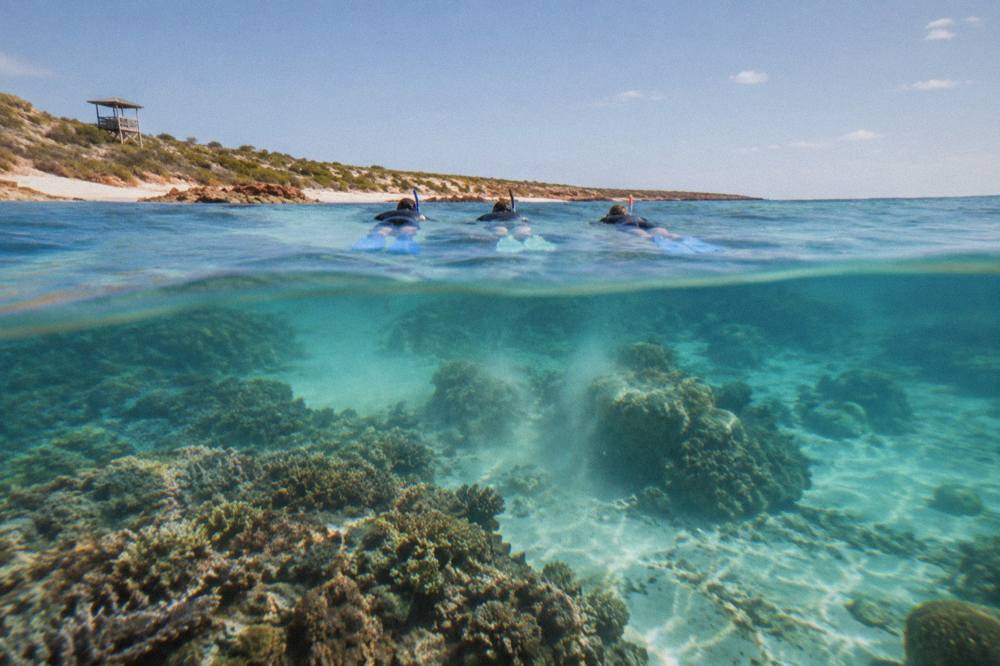
When a shark is found, the boat positions ahead of its line of travel, as the official protocol requires, and your guide enters the water first. You slide in beside them, and the interaction is a series of short passes: the animal swims a line, you fin alongside for a moment, and the boat collects you. Repeated jumps are normal, which means each effort is short. There is no treading water for an hour, no chasing, and no swimming back to a distant boat.
For a nervous swimmer, three practical points stand out. First, say so on the boat, early, because crew can keep you close and pair you with a guide. Second, use the flotation aids rather than proving a point, a wetsuit alone floats most people. Third, if a jump does not feel right, staying on the boat for one pass costs you nothing, and the what happens on a Ningaloo whale shark swim guide walks through the full sequence if you want to picture the day before you commit.
Can Non-Swimmers Join A Ningaloo Whale Shark Tour?
A non-swimmer should not enter the water on a whale shark swim, but that does not mean a non-swimmer cannot be on the boat. Check the individual listing and speak to the operator about staying aboard as an observer, because not every departure offers that option and none of the whale shark listings on this site states an observer ticket. Reef snorkel tours are a gentler alternative.
The whale shark listings on this roster do not state observer tickets, so we cannot promise one exists on any given departure. The right approach is to check the listing and ask the operator directly. What we can say is that the day has plenty that happens out of the water: the reef snorkels happen inside the lagoon, the spotter planes radio in sightings, humpbacks and dolphins appear in season, and the boat itself is a comfortable base for several hours. The wider set of guides lives on Whale Shark Tours Exmouth.
For someone whose partner is swimming while they are not, the broader Ningaloo roster has better-fitting options. The Cape Immersion turtle snorkel from Exmouth, 4.8 from 197 reviews and from A$145, runs about 3 hours 30 minutes in a group of 12, which is a small, low-pressure format. The Exmouth Adventure Co. guided snorkel at Turquoise Bay, 4.9 from 62 reviews and from A$250, is a beach-based day where the snorkelling starts from the sand rather than a boat. Both are easier environments than the open ocean, and both build real confidence for a future swim season.
There is also the Ocean Eco Adventures sunset whale watching cruise from Exmouth, 4.8 from 47 reviews and from A$139, which is entirely boat-based: whales from the deck, no swimming at all. For a mixed group where one person swims and another does not, pairing a whale shark day with a cruise like this lets everyone see the marine life. The things to do in Exmouth besides whale sharks guide collects more of these options.
| Tour | Format | Water confidence needed | Group size |
|---|---|---|---|
| Ningaloo Blue whale shark swim | Open-ocean snorkel, Exmouth | Comfortable snorkeller in deep water | 18 |
| Coral Bay Ecotours whale shark safari | Open-ocean snorkel, Coral Bay | Comfortable snorkeller in deep water | 20 |
| Cape Immersion turtle snorkel | Reef snorkel from a boat, Exmouth | Basic snorkel ability | 12 |
| Exmouth Adventure Co. Turquoise Bay snorkel | Beach-based guided snorkel | Basic, starts from the sand | Not stated |
| Ocean Eco Adventures sunset whale watch | Boat cruise, no swimming | None | Not stated |
Which Ningaloo Tours Suit Nervous Or Beginner Swimmers?
Start with reef snorkels before the open ocean. The Cape Immersion turtle tour and the Exmouth Adventure Co. Turquoise Bay trip are the gentlest entries on this roster, both small-group and both in protected water. The Ningaloo Reef Dive manta trips from Coral Bay sit in between, with shallow lagoon snorkelling and a spotter plane on the half-day version. Once you feel ready for open water, this guide to Australia's whale shark swim spots compares Exmouth and Coral Bay so you can pick your base.
The logic is progression. A beach snorkel at Turquoise Bay, where you can stand up between efforts, teaches you the gear. A boat-based reef snorkel, like the Cape Immersion six-hour wildlife tour from A$275, adds deep water with an easy exit. Only then does the open ocean make sense, and by then you know how you react to swell, mask squeeze and a guide's hand signals.
The manta ray trips are an underrated middle step. Coral Bay has a resident reef manta population year-round, and the Ningaloo Reef Dive half-day adventure, 5 from 4 reviews and from A$220, uses a spotter plane to find mantas in lagoon water that is generally calmer than the outer reef. The full-day version, 4.8 from 106 reviews and from A$260, adds reef dives and snorkels over 7 to 7.5 hours. Mantas are wild animals and sightings are never certain, as the luxury manta cruise's own listing states plainly, but the format is gentler than a whale shark day.
One caution worth repeating: build the progression into your trip length. Doing a practice snorkel the day before your whale shark swim, rather than the same morning, gives you time to discover problems while there is still a chance to fix them. The how many days you need in Exmouth post is a good companion here, because a rushed two-day visit forces everything onto one morning.
What Rules Apply In The Water At Ningaloo?
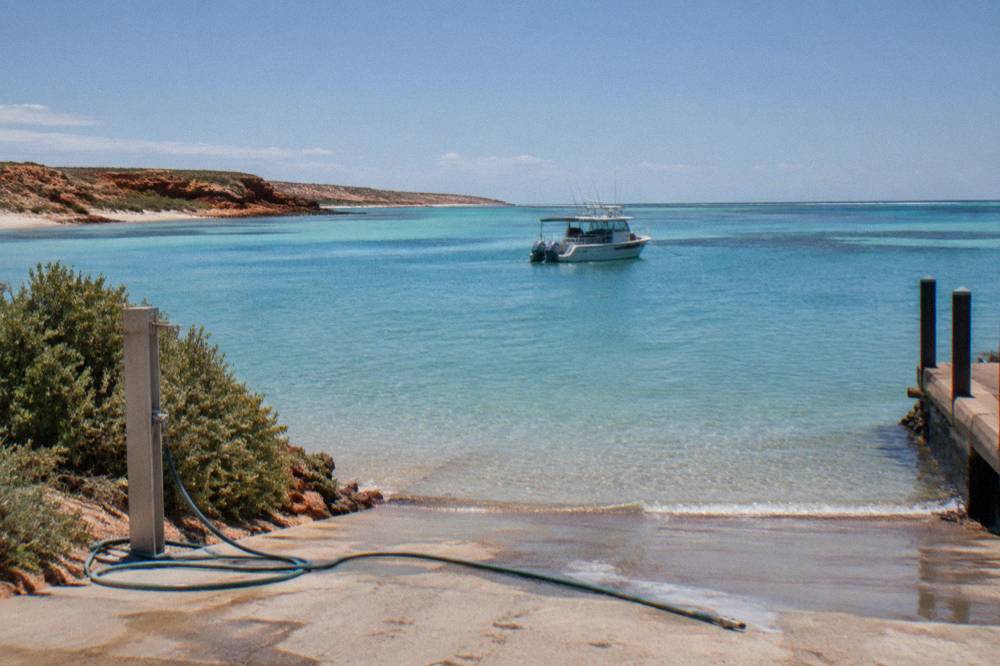
The official protocol caps each in-water group at ten swimmers with a guide, bans scuba entirely, forbids touching the shark or coming within 3 metres of its head or body and 4 metres of its tail, and limits interactions to 60 minutes. No flash photography, no pole cameras, no motorised propulsion aids. These rules shape why the swim is guide-led and short.
Every rule on the Ningaloo Marine Park page and in the DBCA protocol exists for the animal's protection, but several of them quietly work in a modest swimmer's favour. The ten-swimmer cap means the water is never crowded. The distance rules mean you are not asked to close on the animal, the animal's line of travel does the work. The 60-minute interaction limit means no marathon sessions. And the ban on motorised propulsion aids, while aimed at scooters, confirms the spirit of the thing: this is a slow, human-paced encounter.
For a nervous swimmer the practical takeaways are these. You will be briefed on the rules before entering the water, and the briefing is also your chance to ask about flotation. Your guide positions you, you do not position yourself. And the repeated-jump format means that if you sit one out, the next pass is minutes away.
Photography is worth a word here, because holding a camera changes your swimming. Handheld cameras without flash are generally permitted under the protocol, but some operators restrict personal cameras during swims, so check the listing rather than assuming. The whale shark photos at Ningaloo guide covers the detail, and our view for a first-timer is simple: leave the camera on the boat for your first jump and just look.
How Should You Prepare Before A Whale Shark Swim At Exmouth?
Do three things before your trip: practise snorkelling anywhere you can, be honest with the operator about your ability when you check the listing, and build a buffer day so a rough first attempt does not sink the whole plan. Fitness helps, but water confidence is the real currency, and it is trainable in a few sessions.
Pool practice sounds trivial and is not. Breathing through a snorkel while your face is submerged is unnatural the first few times, and clearing a mask of water is a learned reflex. An hour in a pool or a calm beach before your trip removes both wobbles. If you can, add one guided snorkel at Ningaloo before the whale shark day, and the Cape Immersion and Exmouth Adventure Co. trips above are exactly that. Once you feel confident in the water, the next question is which trip style suits you, and our eco tour versus main season guide covers the differences in timing, price, and what else you might spot out there.
Honesty with the operator is the other half. Because no listing states a formal standard, the operator's judgement at check-in is what stands between you and a bad morning. Tell them you are a weak swimmer, ask what flotation is carried, ask whether a guide stays beside your group, and ask what happens if you sit a jump out. Operators answer these questions every day in peak season and would far rather answer them before departure.
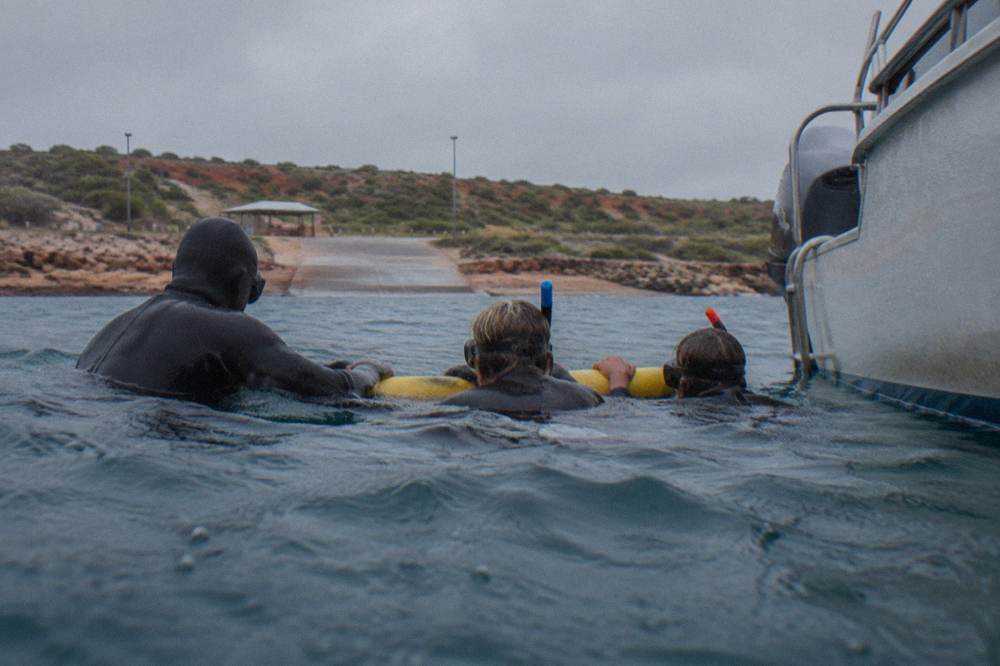
The buffer day matters because of the season's rhythm. Whale sharks run March to July in the official wording, with Exmouth operators running to August and sightings often continuing to October, as the regional tourism body's whale shark page explains. Booking your swim early in a longer stay leaves room to rebook if the weather turns or if you want a second attempt after a shaky first day. The do you need to book whale shark tours in advance post covers the timing question, and the Exmouth weather and best time to visit guide covers the conditions.
One last framing point from this site's own reporting: whale sharks are wild animals and no operator on this roster promises a sighting or a swim. A quiet day is possible at any time of the season. That cuts both ways for a nervous swimmer, some people find the pressure lifts once the outcome is genuinely out of their hands, but you should book with that honesty in mind rather than a guarantee nobody can give. More on that in the whale shark tour guarantee guide.
Whale Shark Tours Exmouth exists to answer exactly these go or no-go questions with verified listing data rather than marketing copy, and swimming ability is the one where honest reporting matters most.
Whether you start with a turtle snorkel from Exmouth or go straight to the Ningaloo Blue swim, the same rule holds: the sea does not care how fast you swim, only how calmly you float.
Common Questions About Swimming With Whale Sharks At Ningaloo
Do You Need To Be A Strong Swimmer To Swim With Whale Sharks At Ningaloo?
No. You need to be a comfortable snorkeller in water too deep to stand in, but the swim itself is a series of short guided passes with flotation support, not a distance effort. Check the listing and speak to the operator about your ability before booking.
Do You Need To Be A Strong Swimmer To Swim With Whale Sharks?
No, but you do need basic snorkel confidence in open water. Wetsuits provide buoyancy, guides accompany each group of up to ten, and jumps are short. Non-swimmers should not enter the water but may be able to stay on the boat, check the listing first.
Can You Touch A Whale Shark At Ningaloo?
No. The official protocol forbids touching or riding a whale shark, and requires swimmers to stay at least 3 metres from its head or body and 4 metres from its tail. Guides position swimmers so the animal's own line of travel does the approaching.
Is Swimming With Whale Sharks Scuba Diving?
No, and scuba is banned entirely on Ningaloo whale shark swims. All interactions are surface snorkels, which is one reason modest swimmers manage: you float on top with a mask and snorkel rather than descending beside the animal.
What If You Panic In The Water On The Day?
Tell the crew before you enter the water, not after. Guides stay with each group, the boat remains close, and sitting out a jump costs you nothing because passes repeat within minutes. Operators deal with nervous swimmers daily in peak season.
Can You Practise Snorkelling Before A Whale Shark Tour?
Yes, and it is the best preparation. A beach snorkel at Turquoise Bay or a short boat snorkel like the Cape Immersion turtle tour builds gear confidence in calmer water, ideally the day before your swim so problems surface while there is still time to fix them.