Whale Shark Eco Tour Or Main Season Tour In Exmouth: What Is The Difference?
Shoulder season eco tours and main season dedicated whale shark swims at Ningaloo compared: prices, months, sighting wording and what else you might see in the water.
Whale Shark Eco Tour Or Main Season Tour In Exmouth: What Is The Difference?
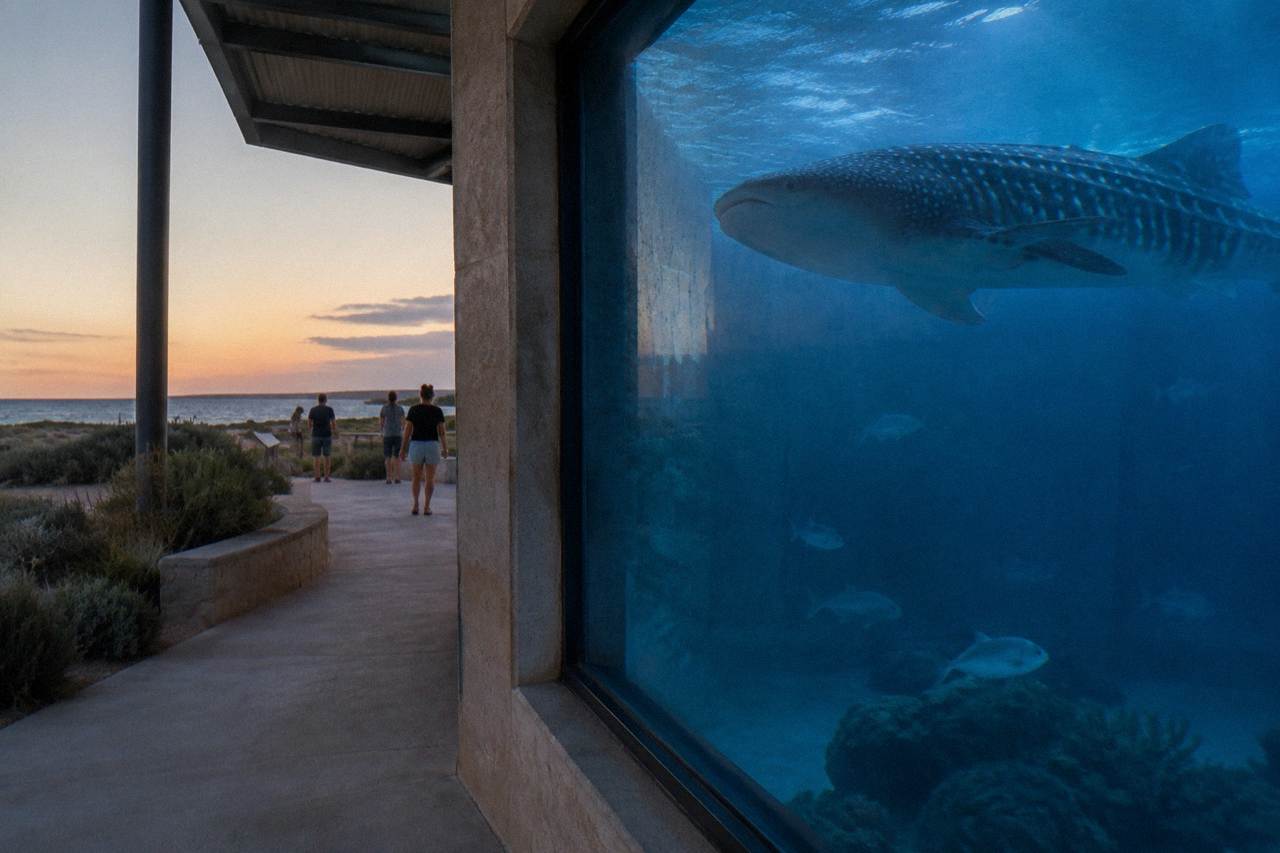
A main season tour is a dedicated whale shark swim: the whole day, the spotter plane and the crew's effort point at finding and swimming with one animal, and the product runs in the March to July window the national park agency describes. An eco tour is a shoulder season wildlife day, typically August to October, when humpbacks dominate: whale sharks remain possible but the listing frames them as one of several species, and the day is not built around a single guaranteed encounter.
The distinction matters most at booking time, because the two products are priced and worded differently. Dedicated swims from the roster run from A$700 to A$745 per person. Shoulder season alternatives, the humpback and manta trips, run from A$220 to A$745 depending on species and length. The gap is not quality. It is what the operator can honestly build a day around in a given month.
We compared the 14 listings on this site, the official whale shark management page for the Department of Biodiversity, Conservation and Attractions, and the regional tourism body's season guidance. Here is what actually separates the two tour types at Ningaloo.
Whale Shark Eco Tour Or Main Season Tour: What Is The Difference?
The honest one line: a main season tour sells you a whale shark day and uses the whole boat, plane and crew to deliver it, while an eco tour sells you a Ningaloo wildlife day in which a whale shark is one possible highlight among mantas, humpbacks, turtles and reef fish. The main season product exists because plankton blooms after the March and April coral spawning pull whale sharks close to the reef in numbers. The eco product exists because the ocean does not switch species off on a fixed date. If you're wondering what your chances actually are, the real odds of seeing a whale shark at Ningaloo explains why tours find them so dependably in season and what no operator can promise.
That seasonal engine is the reason the split exists at all. The department's guidance places whale sharks at Ningaloo between March and July each year, driven by mass coral spawning of more than 200 coral species and the meeting of the Leeuwin Current flowing south and the Ningaloo Current flowing north. Those currents create the plankton eddies the sharks feed on. After July the bloom fades, the sharks thin out, and humpback whales migrating north take over the waters outside the reef.
The regional tourism body's whale shark season page draws the practical map: tours typically run March to the end of June from Coral Bay and to August from Exmouth, with sightings often continuing to October, and Exmouth tours met whale sharks as late as early November in both 2024 and 2025. No operator promises a sighting outside the main season, and the tourism body says so plainly. That single sentence is the crux of the eco tour's existence.
So an operator selling an August to October day has two honest choices. Sell a dedicated whale shark swim and hope, which few do, or sell the reef. Most sell the reef: mantas, which are resident at Coral Bay year round, humpbacks in their migration window, turtles, dugongs, dolphins and the inner reef itself. The whale shark becomes a bonus rather than the headline, and the listing's wording changes to match.
| Feature | Main season tour | Shoulder season eco tour |
|---|---|---|
| Typical months | March to July or August | August to October or November |
| Headline species | Whale shark | Humpback, manta, general reef wildlife |
| Whale shark wording | The day is built around the swim | Possible, not the tour's focus |
| Roster price range (per person) | A$700 to A$745 | A$220 to A$745 across wildlife listings |
| Other species | Reef snorkels, mantas, turtles as filler | Often the main event |
One more framing point. The 2025 season saw 41,390 people swim with whale sharks at Ningaloo, up from just over 1,000 in 1993 and 36,000 in 2022, which tells you where the demand sits. Most visitors book the dedicated main season product. The eco tour is the quieter, cheaper, more open ended alternative, and it suits a different kind of traveller. Whichever style of tour you lean toward, our cost versus experience verdict covers what the price actually buys you and who should book something else entirely.
What Does A Main Season Whale Shark Tour Include?
A main season day is a full boat commitment: roughly 6 to 9 hours on the water, a spotter plane searching from above, all snorkel gear and wetsuits, meals on most listings, and a structured pattern of inner reef snorkels while the plane hunts, then repeated swims off the boat when a shark is found. The roster's three dedicated swims run from A$700 to A$745 per person and rate between 4.8 and 5 from review pools of 23 to 219.
The shape of the day is fairly standard across operators. Boats leave around 7:00 am and return between 4:00 and 5:00 pm. Guests snorkel the inner lagoon first, partly for fun and partly so guides can assess swimming confidence, while a spotter plane radios positions from above. When a shark is located, swimmers enter in groups of no more than ten with a guide, per the legislated interaction protocol, and take turns alongside the animal before the boat moves on. A late lunch closes the day.
The roster's three dedicated products show how much the details still vary within that shared template. The Ningaloo Blue swim from Exmouth, from A$705 per person, is the shortest at 6 to 7 hours and the only one with hotel pickup, taking up to 18 guests from Exmouth accommodation or Tantabiddi Boat Ramp. The Ningaloo Marine Interactions odyssey from Coral Bay, from A$700, stretches to about 9 hours for up to 20 guests and holds a 5 rating from 23 reviews. The Coral Bay Ecotours Whale Shark Safari, from A$745, runs 8 to 9 hours and lists a DPaW park fee as an extra, A$20 per adult and A$10 per child, payable before departure.
Cancellation terms differ too, and this is where reading the listing pays off. The Coral Bay Ecotours safari and the Ningaloo Marine Interactions odyssey both offer free cancellation. The Ningaloo Blue listing states the sale is final and non-refundable, a meaningful difference on a A$705 ticket if your travel dates could shift. None of the three states a sighting guarantee in its listing, and this site does not claim one on any operator's behalf: whale sharks are wild animals and a quiet day is always possible.
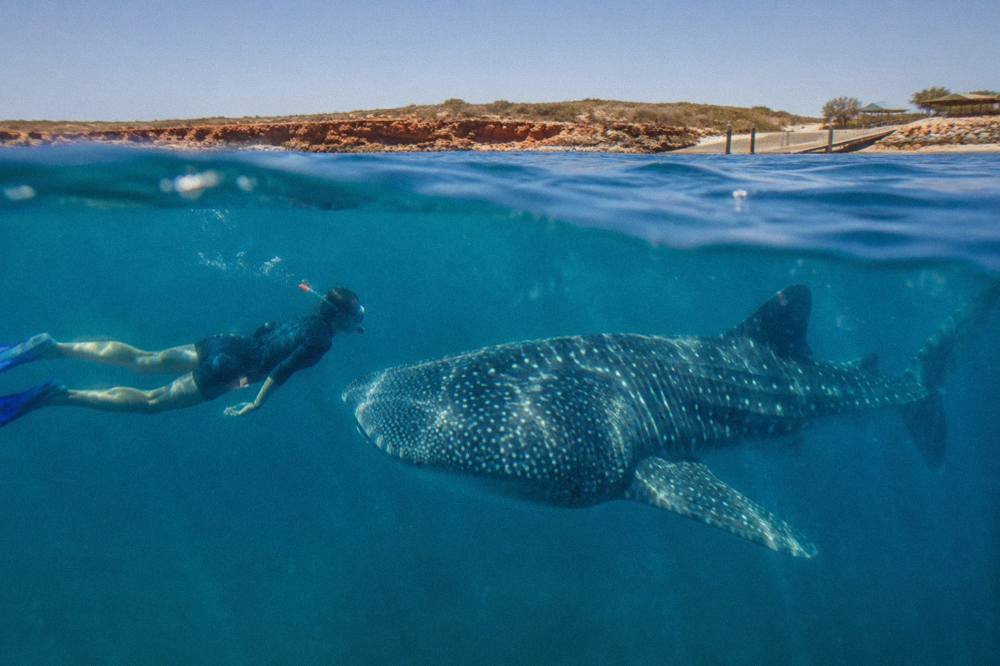
Wetsuits and gear are included across all three swims, and meals are listed on the Coral Bay Ecotours and Ningaloo Blue products; the odyssey listing states no meal, so plan for that. Group sizes sit at 18 to 20 guests per boat, though only ten swimmers are in the water with a shark at any moment under the rules. If any of those specifics decide your booking, the operator's live listing carries the current wording.
What Is A Shoulder Season Eco Tour In Exmouth?
A shoulder season eco tour in Exmouth is the full wildlife day that fills the August to October window, built around humpback whales, manta rays and the reef. The whale shark appears on the itinerary as possible rather than promised, so you head out knowing which animals to expect and which one depends on luck. On this site's roster the shoulder alternatives are the Coral Bay Ecotours Humpback Whale Safari from A$745, the manta trips from A$220 to A$600, and the reef snorkel tours from A$145 to A$320. Each one trades the single-species focus for a broader, often cheaper day. Where you base yourself matters just as much as which boat you pick, and the guide to where to stay in Exmouth for whale shark season lays out which areas keep you closest to the marina departures.
The word "eco" is doing honest work in these listings. The Coral Bay Ecotours humpback safari, 5 from 87 reviews, runs about 8 hours for up to 14 guests and is built around in-water humpback interactions in the whale season. The manta products lean on the fact that reef mantas are resident at Coral Bay year round, which makes them the most reliable large animal in the region outside the whale shark window, though even there the Ocean Eco Adventures luxury cruise listing states plainly that mantas are wild and sightings are not guaranteed.
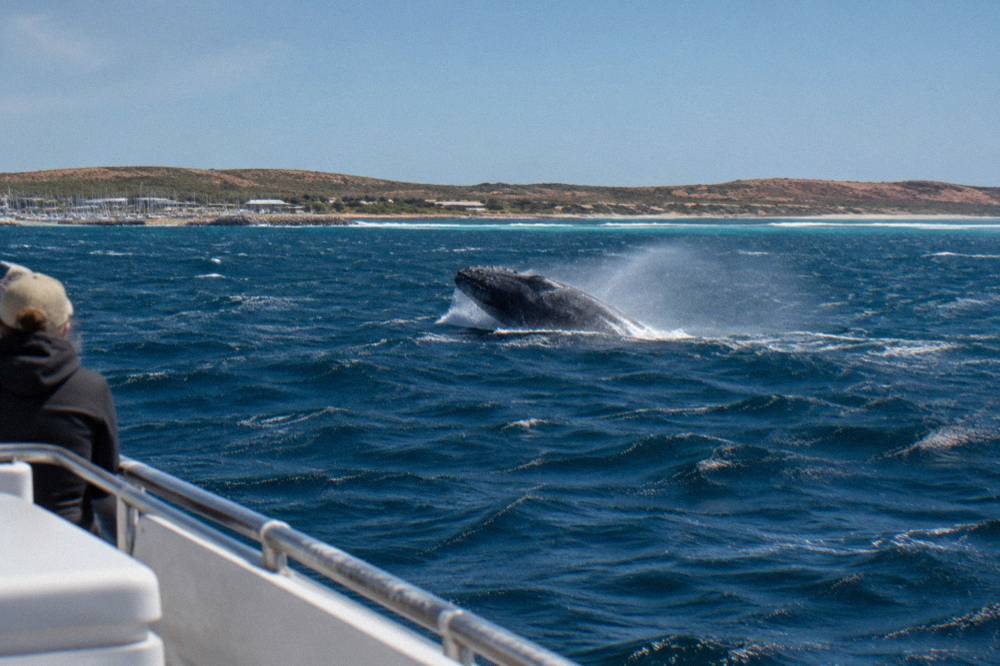
That honesty is the pattern to look for. Shoulder listings on this roster do not claim whale sharks. They name humpbacks, mantas, turtles, dolphins and dugongs as the draw, and the regional tourism body backs the framing: humpbacks pass Ningaloo from June to November, with swim opportunities on some tours roughly August to October. If a whale shark shows up in October, it is a genuine bonus on a day that was never sold as a whale shark day.
There is a timing subtlety worth knowing. The tourism body notes Exmouth tours met whale sharks as late as early November in the last two seasons, and the department's own park page describes the season as running to August. Neither statement is a promise for your dates. A traveller who books an eco day in late September wants the humpbacks and mantas on their own merits. A traveller who books one hoping for a whale shark is gambling at better odds than nothing, but gambling all the same.
For budget travellers the eco side of the roster is where the accessible options live. The Cape Immersion turtle snorkel from A$145 and the six-hour boat snorkel from A$275 are reef days, not megafauna swims, but they put you in Ningaloo water for a fraction of a dedicated swim's price. The other Exmouth activities beyond whale sharks guide covers how those fit a full trip.
How Do Prices Compare Between Eco And Main Season Tours?
Dedicated main season whale shark swims on this roster run from A$700 to A$745 per person, all full day. Shoulder wildlife alternatives spread much wider: humpback swims from A$745, manta trips from A$220 to A$600, and reef snorkel tours from A$145 to A$320. The dedicated swim is the most expensive product type on the site, and the reason is the cost of the day: spotter planes, long offshore runs and small swim groups.
Here is the price picture across the roster's product families, all per person and all as listed:
| Product type | Roster range (from) | Typical length | Example listing |
|---|---|---|---|
| Whale shark swim | A$700 to A$745 | 6 to 9 hours | Ningaloo Blue swim, 4.8 from 219 reviews |
| Humpback swim | A$745 | about 8 hours | Coral Bay Ecotours safari, 5 from 87 reviews |
| Manta trip | A$220 to A$600 | 5 to 7 hours | Best of Ningaloo, 5 from 274 reviews |
| Reef snorkel tour | A$145 to A$320 | 3.5 to 8 hours | Cape Immersion turtle tour, 4.8 from 197 reviews |
Read that table as a decision ladder rather than a quality ranking. At the top, the dedicated swim buys the plane, the offshore search and the structured swim protocol. One rung down, the humpback safari costs the same as the priciest whale shark day because it carries the same operational weight: long hours, small groups, in-water interactions. The manta and snorkel products cost less because they stay closer to shore and do not carry the same logistics.
Watch the exclusions line on any listing before comparing prices. The Coral Bay Ecotours whale shark safari lists its park fee separately, A$20 per adult, payable before departure, which adds to the headline number. The Ningaloo Blue listing is non-refundable, which is a real cost if plans move. The manta and snorkel listings on the roster mostly offer free cancellation, an advantage worth weighing when you are booking months ahead. More detail on pricing lives in the cost breakdown for swimming with whale sharks in Exmouth.
Which Months Does Each Tour Type Run In Exmouth?
Whale shark tours in Exmouth generally run from March to August, while Coral Bay operators typically wrap up at the end of June, and sightings can stretch into October. Humpback whale swims, by contrast, run later in the year, roughly July to October, so the tour you choose depends heavily on which months you plan to visit. Shoulder eco products fill the rest of the year around the humpback migration, June to November, and the year-round manta population. The first dedicated swim of the 2026 season happened about 12 March off Exmouth.
The month you can travel should honestly pick the product for you. If you are on the reef between late March and July, the dedicated swim is the obvious buy and the full whale shark season guide for Exmouth breaks those weeks down in detail. If you are there in September or October, the eco and humpback products are what the calendar supports, and a whale shark listing in that window would deserve a careful read of its terms.
| Months | Dedicated whale shark swim | Shoulder eco and wildlife options |
|---|---|---|
| March to July | Core season, all Exmouth and Coral Bay swims running | Mantas from A$220, reef snorkels, fewer humpbacks early |
| August | Exmouth operators typically still running | Humpback swims begin in earnest from Exmouth |
| September to October | Not offered as dedicated product; sightings still recorded | Humpback safari, manta trips, full reef days |
| November to February | No whale shark product | Mantas and reef snorkels continue; mantas are resident |
The overlap weeks are the interesting ones. August belongs to both columns: Exmouth's dedicated tours typically run to that month while the first humpback swims start, so a traveller in August can genuinely choose between a whale shark day and a humpback day, or split a week between them. May and June offer the same stack in reverse, with mantas commonly seen from late May alongside the peak whale shark months.
What Wildlife Might You See Besides Whale Sharks?
Outside the shark, the roster's listings point to humpback whales from June to November, resident reef mantas at Coral Bay year round, turtles, dolphins and dugongs, plus the inner reef's fish and coral on the snorkel stops built into nearly every tour. The dedicated swims include reef snorkels while the spotter plane searches, so even a main season day delivers the reef. The eco tours make that wildlife the whole point.
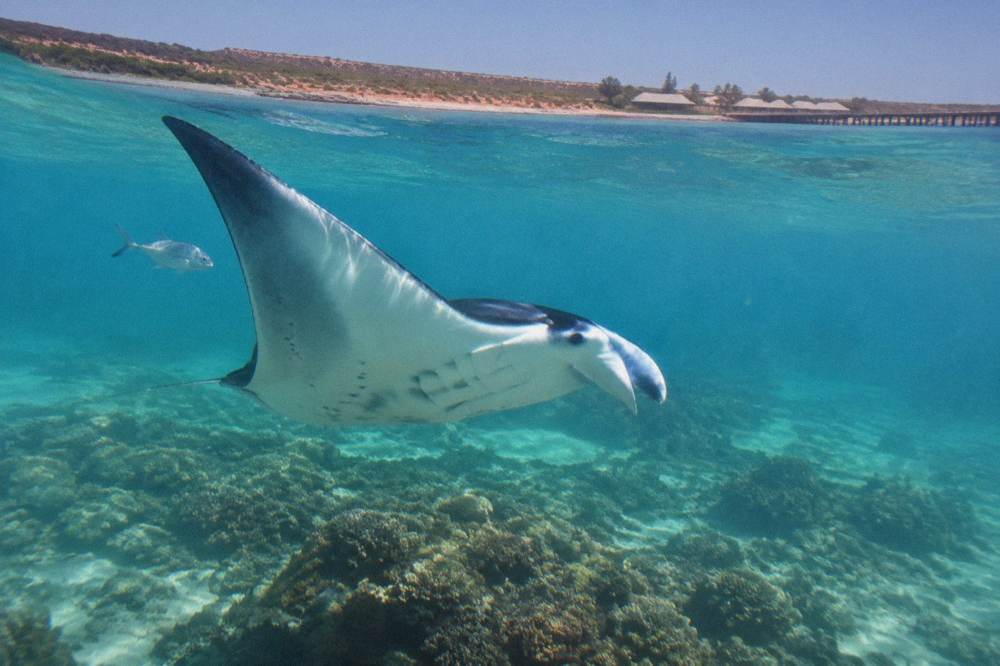
The manta story is the strongest of them. Reef mantas stay at Coral Bay all year, using cleaning stations on the inner reef, which is why five of this site's fourteen listings are manta products. The Ningaloo Marine Interactions Best of Ningaloo day, 5 from 274 reviews from A$350, and the Coral Bay Ecotours Marine Eco Safari, 4.8 from 565 reviews from A$350, are both built on that resident population, the latter carrying the largest review pool on the whole roster. Neither claims a guarantee, and neither needs one: resident animals on a known reef are simply better odds than a migrating giant.
Turtles are near-certain on the reef listings. The Cape Immersion turtle snorkel, from A$145, is designed around them, and the Ningaloo Marine Park page for the parks service lists turtles among the park's protected marine life alongside dugongs and dolphins. Humpbacks need no introduction: tens of thousands migrate the Western Australian coast each year, and the Ocean Eco Adventures sunset whale watch from A$139 is the roster's low-commitment way to see them without getting wet.
For photographers, the split between tour types matters. Dedicated swims carry DBCA rules that ban flash and extension pole cameras and cap swimmers at ten per group, covered in the whale shark photography guide for Ningaloo. Eco and manta days are usually more relaxed about personal cameras because the interaction protocol differs, though the operator's listing sets the final word.
Which Tour Type Should You Book For Your Trip?
Book the dedicated main season swim if you will be in Exmouth between late March and July and the whale shark is the reason you came; if your dates fall outside that window, compare the other tour types against how central the whale shark is to your trip before you choose. Book a shoulder eco tour if you are travelling August to October, if the A$700-plus price is a stretch, or if a broad wildlife day with mantas and humpbacks appeals more than a single species. The calendar does most of the deciding, and your budget does the rest.
Consider the trade-offs honestly. The dedicated swim is the premium product: A$700 to A$745, a long day, and a listing, in Ningaloo Blue's case, that is non-refundable. The eco side offers free cancellation across nearly every listing, prices from A$139, and animals, mantas and turtles especially, that are more predictable than a passing whale shark. The dedicated swim offers something no manta trip can: the largest fish in the sea, on the reef system that does this better than anywhere in Australia, as Whale Shark Tours Exmouth covers across its trip picker.
| If you... | Book this | Roster starting price |
|---|---|---|
| Travel March to July and want the shark | Dedicated whale shark swim | A$700 |
| Travel August to October | Humpback safari or manta trip | A$220 (manta), A$745 (humpback) |
| Want the cheapest day on the water | Turtle or reef snorkel tour | A$145 |
| Want megafauna without swimming | Sunset whale watch cruise | A$139 |
| Are unsure of your dates | A free-cancellation listing | Varies, check the listing's terms |
One practical footnote for either choice: book ahead in the peak weeks. The 2025 season's 41,390 swims tells you how busy these boats get between April and July, and the advance booking question for whale shark tours is worth reading before you commit. Shoulder season trips are quieter, but the humpback safaris carry only 14 guests per listing, so small groups fill on their own logic.
Common Questions About Ningaloo Tour Types
Whale Shark Eco Tour Or Main Season Tour: What Is The Difference?
A main season tour is a dedicated whale shark swim running roughly March to August, priced from A$700 to A$745 on this roster, with the whole day built around finding and swimming with a whale shark. An eco tour is a shoulder season wildlife day, typically August to October, built around humpbacks, mantas and reef snorkelling, where a whale shark is possible but not the listed focus.
Can You Swim With Whale Sharks In The Shoulder Season At Exmouth?
Dedicated tours typically stop around August. Sightings have been recorded into October and as late as early November in recent seasons, but no listing on this roster offers a dedicated shoulder season whale shark product, and the tourism body states there is no guarantee outside the main season. A wildlife eco tour is the product that runs in those months.
Why Are Eco Tours Cheaper Than Dedicated Whale Shark Swims?
The dedicated swim carries the cost of a spotter plane, a long offshore run and small swim groups under the legislated protocol. Eco and manta tours stay closer to shore and often run shorter days. On this roster, manta trips start from A$220 and reef snorkels from A$145, against A$700 to A$745 for the dedicated swims.
Do Any Exmouth Tours Guarantee A Whale Shark Sighting?
No listing on this roster states a sighting guarantee, and this site does not claim one on any operator's behalf. Whale sharks are wild animals and the tourism body explicitly notes there is no guarantee outside the main season. Check each operator's live listing for its own terms before booking.
What Is The Best Month For A Main Season Whale Shark Swim?
The core window is late March to July, the period named in the department's official guidance, with Exmouth operators typically running to August. The first swim of the 2026 season happened about 12 March off Exmouth. April to July is the peak, which is also when boats are busiest, so book early.
Can You See Mantas And Humpbacks On The Same Trip?
Yes, outside the whale shark window. Reef mantas are resident at Coral Bay year round and humpbacks pass from June to November, so an August to October eco day can reasonably include both. The Coral Bay manta listings run from A$220 to A$600 and the humpback safari from A$745.