Are There Crocodiles At Ningaloo Reef?
A sourced answer to the crocodile question at Ningaloo Reef, plus the marine life actually documented there, season by season, and the snorkel tours that put you in the water safely.
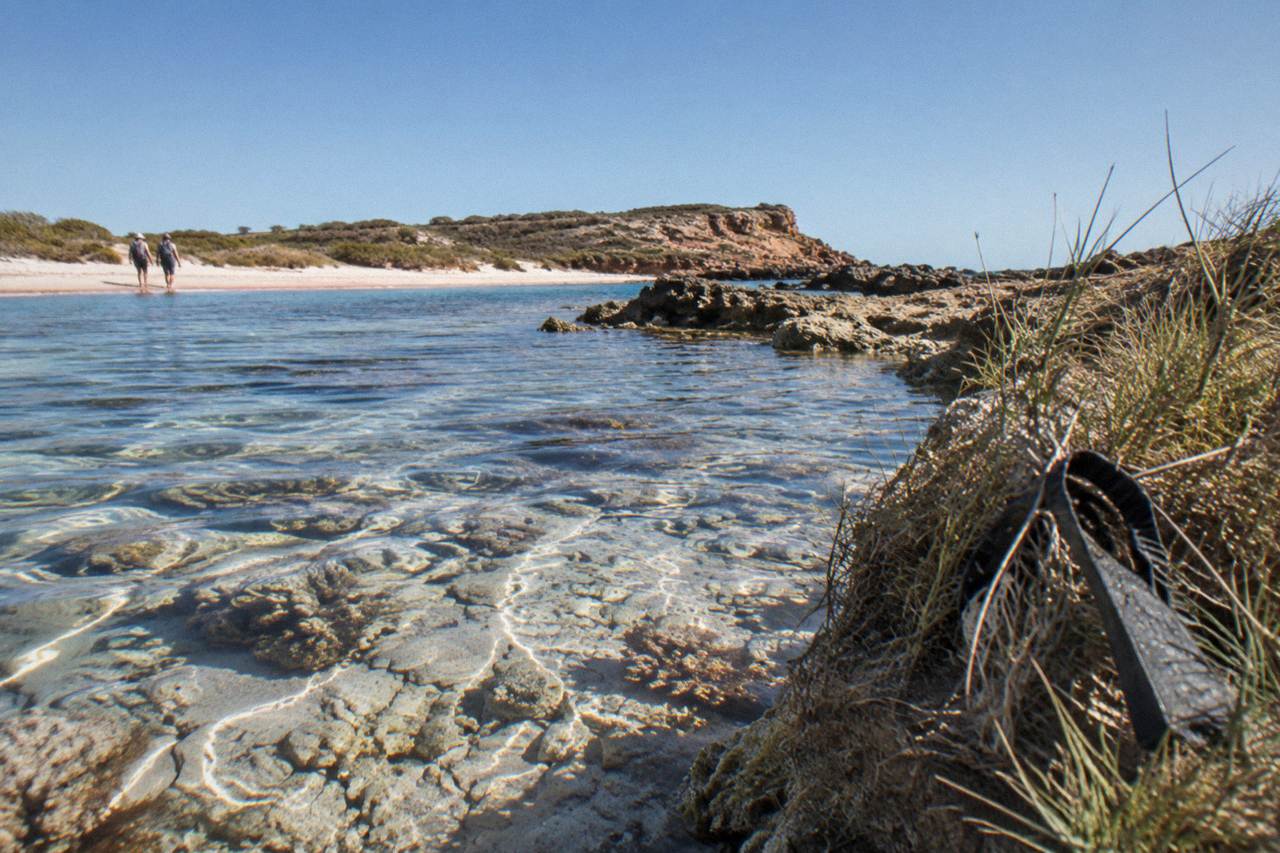
The crocodile question arrives with almost every Ningaloo swim inquiry, usually typed in the same breath as "is it safe". It is a fair question for anywhere in Australian tropical water, and it deserves a straight, sourced answer rather than a shrug. This article works only from the verified research behind this site, the official park pages and the tour roster, and it says plainly where the record stands.
Are There Crocodiles At Ningaloo Reef?
No crocodile record for Ningaloo Reef appears anywhere in this site's verified research. The official park and wildlife sources consulted here describe Ningaloo's marine life as whale sharks, humpback whales, manta rays, turtles, dolphins and dugong, with no crocodile management, no crocodile warnings and no crocodile interaction protocol. Nothing in the record supports treating crocodiles as part of Ningaloo's documented wildlife.
That answer deserves its full context. The Department of Biodiversity, Conservation and Attractions maintains a detailed whale shark management framework for Ningaloo Marine Park, including swimmer protocols, vessel approach rules and licensing conditions, all readable on the department's whale shark management page. Crocodiles do not feature in it. The Explore Parks page for Ningaloo Marine Park likewise lists the park's signature experiences, whale sharks between March and August and humpbacks between June and November, and states plainly that the marine park has no entry fee, with no mention of crocodile presence or crocodile safety advice. If a resident or visiting crocodile population were a known factor at Ningaloo, a park management page would be the first place it appeared.
The regional tourism body's whale shark page, which walks visitors through what a day tour actually looks like, is the same story: coaches leave Exmouth accommodation around 7:00 am, two inner-reef snorkels fill the morning while spotter planes search, and swimmers enter the water in guided groups of up to ten. Crocodiles appear nowhere in the picture. For a reef that hosted over 41,000 whale shark swims in the 2025 season, the documented wildlife conversation is entirely about plankton, coral spawning, migrating whales and resident mantas.
It is worth being precise about what this does and does not claim. This site's research found no crocodile record for Ningaloo, and no source consulted here reports one, so this article does not print sighting statistics, population estimates or range maps for a species its sources never mention. What the record does support, strongly, is a marine park defined by its megafauna swim season, its World Heritage listing, and a tourism industry built around putting people in the water with a guide beside them. The practical takeaway for a nervous swimmer is simple: the animals you plan around at Ningaloo are the ones on the itinerary, and the tours below are built around exactly those.
What Marine Life Is Actually Documented At Ningaloo Reef?
Ningaloo's verified wildlife list is whale sharks from March to July per the department's season wording, humpback whales from June to November, resident reef manta rays at Coral Bay year-round, plus turtles, dolphins and dugong encountered on reef tours. The 2025 season alone recorded 41,390 whale shark swims, and humpback numbers along the Western Australian coast are estimated in the tens of thousands.
Start with the animal that built the region's reputation. The whale shark, called gujawari by the Traditional Owners of the Ningaloo coast, arrives after the mass coral spawning of March and April triggers the plankton blooms it feeds on. The department's season wording is March to July, while the park service's own Ningaloo page says whale sharks appear between March and August, and the regional tourism body notes Exmouth operators run tours to August with sightings often stretching to October, and in 2024 and 2025 as late as early November. Visitor numbers tell the scale: from about 1,000 swimmers in 1993 to over 36,000 in 2022, and 41,390 in the 2025 season.
Humpbacks are the second act. The park page places them from June to November, and swim-focused tours run roughly August to October out of both towns. Research referenced in the site's wildlife sweep puts the migrating Western Australian population somewhere around 40,000 to 45,000 animals along what is colloquially called the humpback highway, with whale groups observed in the area rising from 440 in 2016 to 866 in 2024 in one scientific account. Coral Bay manta rays are the quiet constant: a resident reef manta population at Coral Bay, with cleaning stations, present year-round, while Exmouth sightings are more transient.
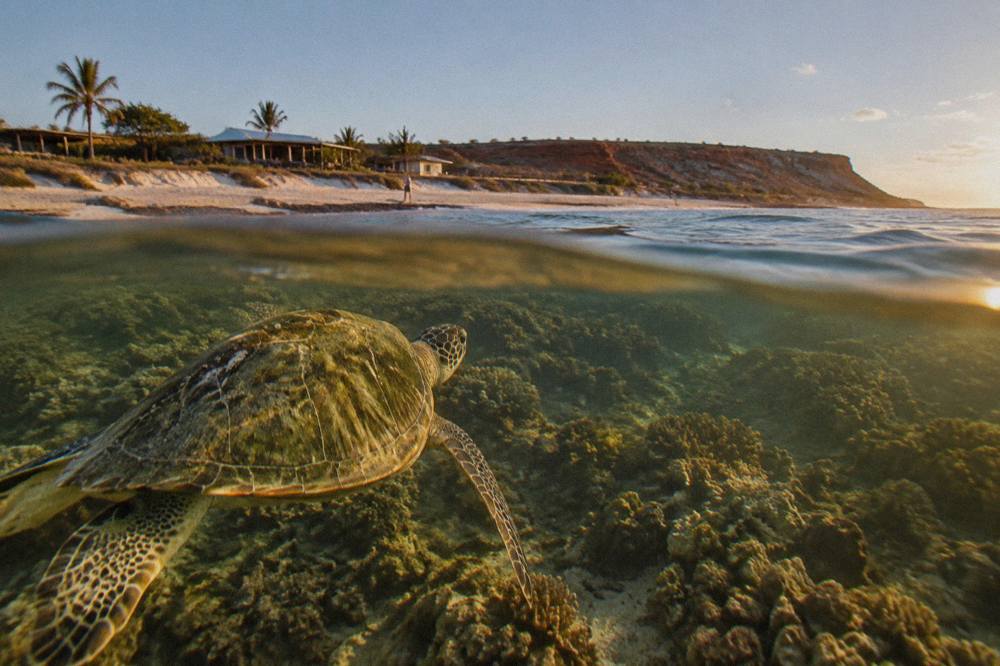
Turtles, dolphins and dugong round out the regulars, encountered on the reef snorkel and wildlife tours rather than as dedicated swim products. The Cape Immersion turtle snorkel, a 3 hours 30 minutes trip from Exmouth in groups of 12, is built entirely around that side of the reef, and the same operator's six-hour boat snorkel adds lunch and a wider sweep of the reef for a group of 12. Neither listing mentions crocodiles, because neither operator's water has them in its story. The table below puts the documented calendar in one place.
| Marine life | Documented season | Where it is seen | Notes from the record |
|---|---|---|---|
| Whale shark | March to July (DBCA), tours to August in Exmouth, sightings often to October | Outer reef off Exmouth and Coral Bay | 41,390 swims recorded in the 2025 season |
| Humpback whale | June to November, swim tours roughly August to October | Both towns, Exmouth swim tours from about August | WA coast population estimated around 40,000 to 45,000 |
| Manta ray | Year-round resident at Coral Bay, more transient at Exmouth | Coral Bay cleaning stations, reef tours | Peak sightings frequently May to September in Coral Bay |
| Turtles, dolphins, dugong | Year-round on the reef | Inner reef, snorkel tours from both towns | Regularly encountered on wildlife and reef tours |
The pattern to notice is that everything documented here is tropical reef and open-ocean megafauna, found in clear water off a fringing reef that sits close to shore. That is the ecological character of the place, and it is why the question this article opened with has such a clean answer. Readers who want the deeper background on the reef itself can find it in the guide to what Ningaloo Reef actually is, and the wildlife calendar pairs naturally with the breakdown of the whale shark season in Exmouth.
Is It Safe To Swim And Snorkel At Ningaloo Reef?
Swimming at Ningaloo is managed, guided and rule-bound rather than free-for-all. Licensed operators run under department protocols that cap swimmers at ten per group, set minimum distances from animals, ban touching, flash and pole cameras, and require guides in the water, and every rostered tour here carries free cancellation except where a listing states otherwise.
The rules are the reassurance. The swimmer protocol for whale sharks is legislated, not a marketing promise: no touching or riding, no restricting an animal's movement, at least 3 metres from the head or body and 4 metres from the tail, no flash photography, no cameras on extension poles, no motorised propulsion aids, and a maximum of ten people in the water at one time. Vessels operate inside a 250-metre approach zone, one boat at a time for up to 90 minutes at no more than 6 knots, and commercial boats fly both a whale shark flag and dive flags while swimmers are in the water. A swim is capped at 60 minutes, and scuba diving with whale sharks is not permitted. Every detail is on the department's whale shark management page.
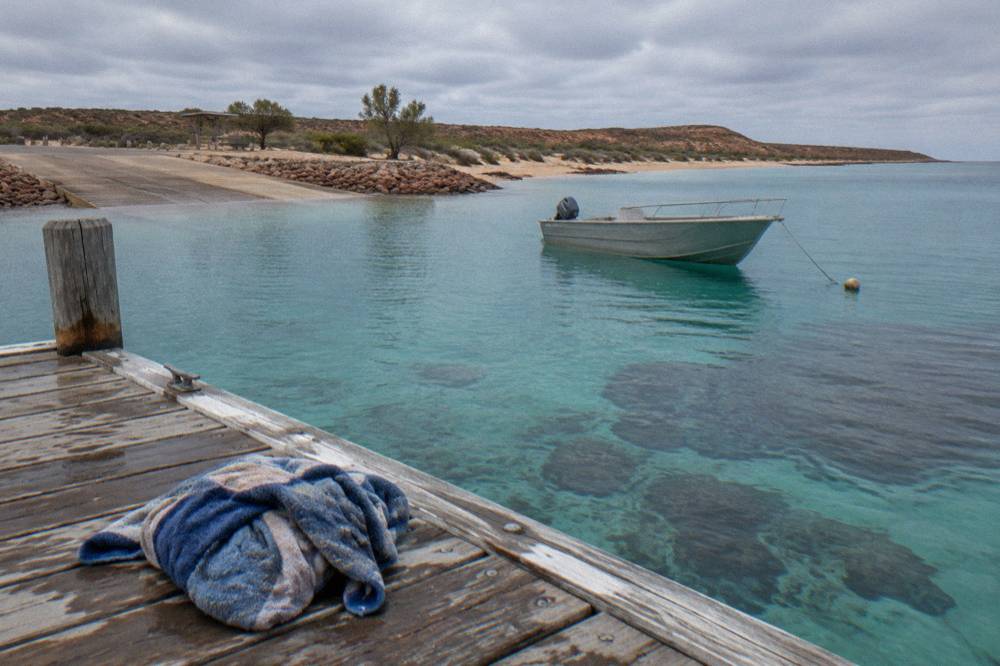
For the reef side, the same logic applies with smaller animals and calmer water. The Cape Immersion six-hour boat snorkel takes 12 guests from Exmouth with pickup offered on the listing and a meal stated, from A$275 per person, rated 4.9 from 138 reviews. It is a fair step up in commitment from the same operator's turtle snorkel at A$145, and both are free-cancellation listings, which matters when the sea state on the day is the one thing nobody can book in advance. Tours do not run in unsafe conditions, and the skipper's call is final, a point operator terms across the research make consistently. Whale sharks are wild animals and a quiet day is possible, so read the listing's own terms rather than assuming a promise.
The honest safety conversation at Ningaloo is about open water, not teeth. Tours operate outside the reef where wind, swell and current vary, and the standard seasickness advice across operator pages is to take medication in advance, hydrate, skip the alcohol the night before, eat lightly and stay on deck in fresh air. The site's own write-up on what to do if you get seasick on a whale shark tour covers that in full. If the underlying worry is animals rather than waves, the guide to whether whale sharks are dangerous at Ningaloo answers the question the crocodile search is usually standing in for.
Can You Snorkel Ningaloo Reef Without A Boat Tour?
Yes, and that is one of Ningaloo's genuine distinctions: the fringing reef sits close enough to shore that beach snorkelling is a real option, with Turquoise Bay inside Cape Range National Park the best-known entry point, and guided beach-based trips such as the Exmouth Adventure Co. snorkel running from A$250 per person with pickup and a meal on the listing.
Beach access is the reason Ningaloo feels different from most reef destinations. Turquoise Bay, inside Cape Range National Park, lets you walk in from the sand and drift over coral within minutes, and the national park carries a standard entry fee of A$17.00 per vehicle of 12 or fewer occupants, with a valid WA park pass covering it. The park's own Cape Range National Park page carries the fee detail, and the marine park itself has no entry fee at all. The full beach-by-beach picture, including the drift snorkel at Turquoise Bay, is in the guide to Turquoise Bay snorkelling in Cape Range.
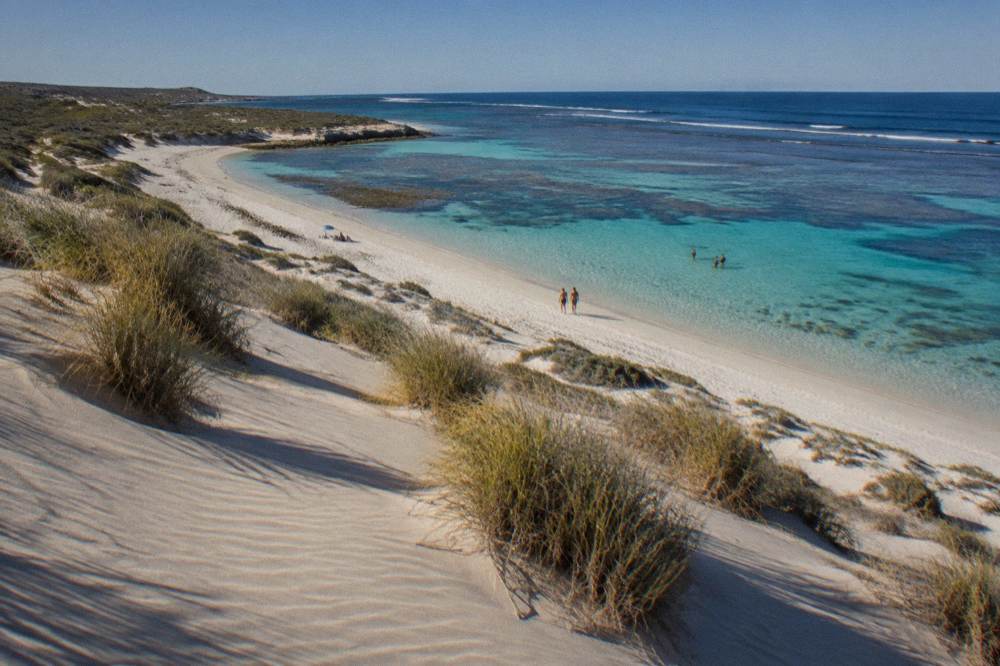
Guided options split into two shapes. The Exmouth Adventure Co. Turquoise Bay trip is a seven-hour guided beach snorkel from A$250, rated 4.9 from 62 reviews, with accommodation pickup and a meal stated on the listing, free cancellation. It pairs beach entries with a guide who knows where the turtles and fish are that day. The same operator also runs the Ningaloo in a Day combo, which folds a reef snorkel together with the Yardie Creek cruise in an eight-hour day for groups of 8, from A$320, rated 5 from 6 reviews. Small review pools deserve honesty: a 5 from 6 reviews is a perfect score from six people, not a crowd verdict, and it is printed here with its count for exactly that reason.
What no beach or boat option at Ningaloo asks you to plan for is a crocodile. That is the quiet difference between this coast and the estuaries and river mouths of the far tropical north, and it is why the swim questions here are about swimming ability, seasickness and season timing rather than about anything with teeth. The site's comparison of the best whale shark tour in Exmouth works through the same roster for readers whose real question is which boat to book.
Which Ningaloo Tours Put You In The Water Safely?
The roster's reef and snorkel options run from A$145 to A$320 per person, all with free cancellation, and the practical choice comes down to hours, group size and whether you want a beach entry or a boat. Cape Immersion's turtle snorkel is the short trip, its six-hour wildlife snorkel the fuller day, and the Exmouth Adventure Co. beach snorkel the guided shore option, each with pickup stated on the listing.
The three tours this article keeps returning to are the three that answer the "I want to get in the water" instinct most directly, and they are deliberately different shapes of day. The table below compares them on the numbers that actually change the experience: time on the water, how many people share it, and what the listing includes. Every figure is from the live listings, printed with its review count beside it.
| Tour | Operator | Duration | Group size | From (per person) | Rating and reviews | Pickup |
|---|---|---|---|---|---|---|
| Turtle Snorkel | Cape Immersion Tours | 3 hours 30 minutes (approx.) | 12 | A$145 | 4.8 from 197 reviews | Offered on the listing |
| Six-Hour Boat Snorkel, Lunch | Cape Immersion Tours | 6 hours (approx.) | 12 | A$275 | 4.9 from 138 reviews | Offered on the listing |
| Guided Beach Snorkel, Turquoise Bay | Exmouth Adventure Co. | 7 hours | Not stated on the listing | A$250 | 4.9 from 62 reviews | Exmouth accommodation pickup |
Read the columns in the order that matters to you. If the question is "will my kids last the day", the 3 hours 30 minutes turtle trip is the answer, and the listing's age policy is a check-the-listing matter rather than something to assume. If the question is "what do I get for the higher price", the six-hour trip adds a meal and a wider reach of reef on top of the turtle trip's shorter outing. If the question is "I would rather not step off a boat", the beach snorkel starts on the sand. None of these listings promises an animal, and the one explicit sightings policy on the roster belongs to the Ocean Eco Adventures luxury manta cruise, whose listing states plainly that mantas are wild animals and sightings are not guaranteed. That is the honest register every Ningaloo booking should be read in.
One planning note that saves arguments later: the Coral Bay side of the reef runs its own separate set of trips, including the Ningaloo Reef Dive manta tours from A$220 and the Coral Bay Ecotours marine eco safari from A$350, and the two towns are about 150 kilometres and roughly 1.5 to 2 hours of driving apart. Choosing a base matters more than choosing a single tour. The site's breakdown of Exmouth versus Coral Bay for whale sharks works through that trade-off in full.
When Is The Best Time To Visit Ningaloo For Wildlife?
March to August is the whale shark window, with the department's wording March to July and Exmouth operators running to August; humpbacks follow from June to November with swim tours roughly August to October; and Coral Bay's resident mantas are there year-round, so almost any month delivers something, but April to July delivers the most.
The calendar is generous because the reef's wildlife arrives in waves. The coral spawning of March and April sets the plankton engine running and the whale sharks arrive behind it; the first swim of the 2026 season was recorded off Exmouth about 12 March, which fits the pattern of recent years. Humpbacks pass through on migration from June, peaking through spring, and the tourism body's day-tour description, with its 7:00 am departures and 4:00 to 5:00 pm returns, holds across the whole stretch. Coral Bay's mantas need no season at all.
| Month | What the record says is in the water |
|---|---|
| March to April | Whale sharks arrive after mass coral spawning; tours begin, first 2026 swim recorded about 12 March |
| April to July | Peak whale shark season; the department's season wording is March to July |
| June to August | Humpbacks begin passing; Exmouth tours run to August, sightings often to October |
| August to October | Humpback swim season, roughly August to October; whale shark sightings often continue |
| October to November | Late whale shark sightings reported in 2024 and 2025, as late as early November; humpbacks to November |
| Year-round | Resident reef mantas at Coral Bay, turtles, dolphins and dugong on the reef |
Water temperature shapes the comfort of all of this, and the long-term sea surface data the site's research cites runs from averages near 28 degrees in March and April down to about 23 degrees in September and October, which is why operators provide wetsuits as standard inclusions rather than renting them as extras. The monthly detail sits in the guide to Exmouth weather and the best time to visit.
The reassuring through-line of all of it, and the point this article exists to make, is that Ningaloo's wildlife story is a story about plankton feeders, migrating whales and resident rays in a World Heritage marine park, told through a licensed, protocol-bound tour industry. The animals that make people nervous elsewhere simply do not appear in this coast's documented cast. For readers ready to move from the safety question to the booking question, the trio below covers the short trip, the full day and the beach entry, and Whale Shark Tours Exmouth keeps the full roster comparison in one place.
Common Questions About Crocodiles At Ningaloo Reef
Are There Crocodiles At Ningaloo Reef?
No crocodile record for Ningaloo Reef appears in this site's verified research, and none of the official park, department or tourism sources consulted here mention crocodiles at the reef. The documented wildlife is whale sharks, humpbacks, mantas, turtles, dolphins and dugong, all covered by licensed tour protocols.
Is It Safe To Swim At Ningaloo Reef?
Swimming at Ningaloo is run under legislated protocols: maximum ten swimmers per group, minimum distances from animals, guides in the water and no touching, flash or pole cameras. Every reef and snorkel tour on this site's roster carries free cancellation except where a listing states otherwise, and skippers do not run in unsafe conditions.
What Dangerous Animals Live At Ningaloo Reef?
The record for Ningaloo is dominated by plankton-feeding whale sharks, migrating humpbacks and resident manta rays, none of which are documented as a threat to swimmers under the licensed tour protocols. The site's guide to whether whale sharks are dangerous covers the main animal question in detail. No crocodile or shark threat record appears in the sources verified here.
Can You Snorkel Ningaloo Reef From The Beach?
Yes. Turquoise Bay inside Cape Range National Park is the best-known beach entry, and the national park charges a standard entry fee of A$17.00 per vehicle of 12 or fewer, while Ningaloo Marine Park itself has no entry fee. Guided beach snorkel tours from Exmouth run from A$250 per person.
When Can You Swim With Whale Sharks At Ningaloo?
The department's season wording is March to July, the park service page says between March and August, and Exmouth operators run tours to August with sightings often continuing to October. The first swim of the 2026 season was recorded off Exmouth about 12 March. Whale sharks are wild animals, so check each listing's own terms.
Do Ningaloo Tours Guarantee You Will See A Whale Shark?
No listing on this site's roster states a sighting guarantee, and this site never claims one. The one explicit sightings policy on the roster is the Ocean Eco Adventures manta listing, which states that mantas are wild animals and sightings are not guaranteed. Read each operator's live listing for its own terms before booking.