Can You Swim At The Beach In Exmouth?
Yes, you can swim at the beach in Exmouth. A plain guide to Bundegi, Town Beach, Turquoise Bay and other Ningaloo swim spots, currents, stingers and water temperatures.
Can You Swim At The Beach In Exmouth?
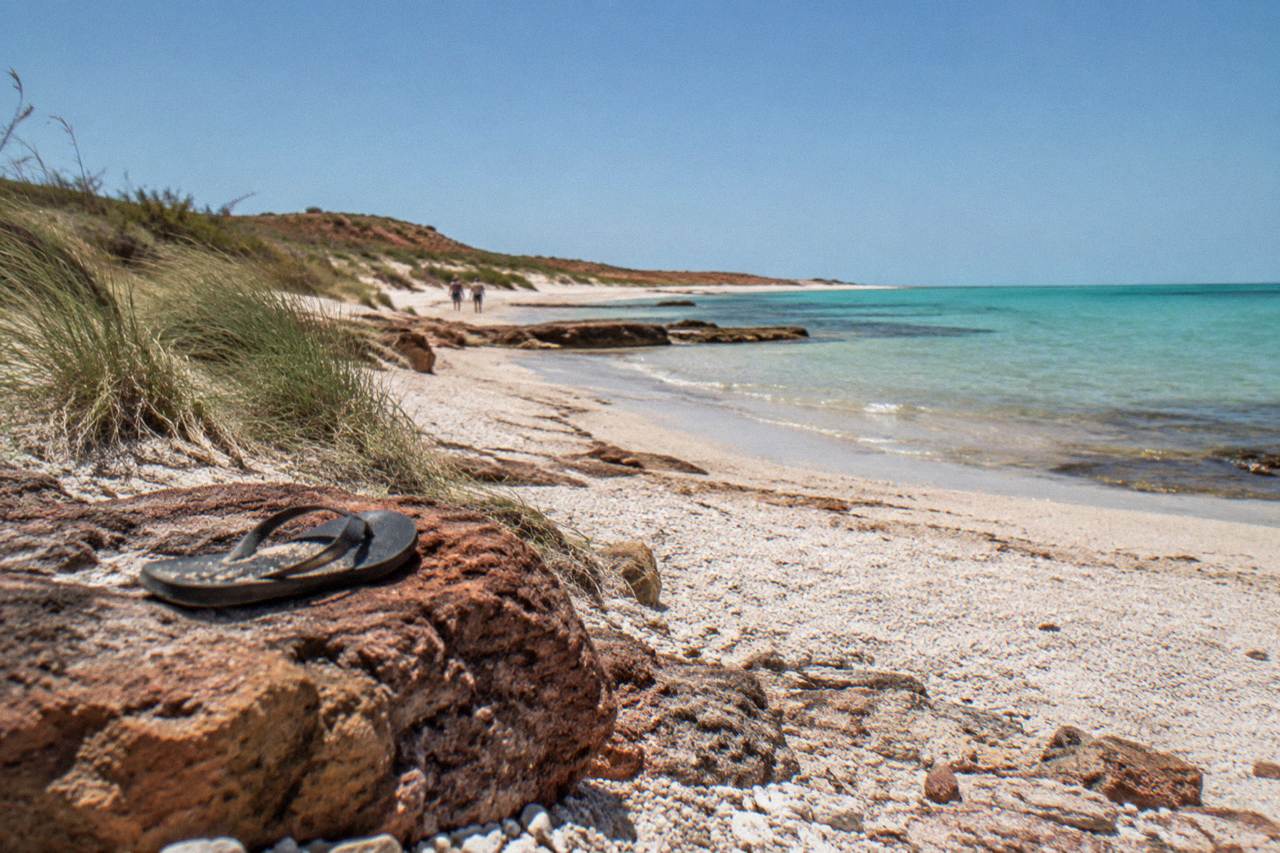
Yes, you can absolutely swim at Exmouth's beaches. Thanks to the Ningaloo Reef hugging the shore, the waters are unusually calm and protected, with vibrant coral gardens sitting within easy reach of the sand, making for a unique and safe swimming experience. Turquoise Bay inside Cape Range National Park is the standout shore snorkel, while closer options such as Bundegi near the navy pier and Town Beach in the town itself offer safe, sandy swimming on most days of the year. As with any open Australian coastline, conditions change with wind and tide, so the signs at each beach are the final word on the day.
Exmouth sits on the North West Cape, a finger of land almost surrounded by Ningaloo Marine Park, which the managing authority notes charges no entry fee. That geography is the reason the swimming is so good: the reef sits close to shore, filtering the swell and creating shallow, protected lagoons along much of the peninsula. On the western side you get the famous coral beaches of Cape Range National Park. On the eastern, Exmouth Gulf side you get calmer water that is often better for a simple dip than a snorkel.
The town beach scene also answers a practical question for whale shark travellers. Swim days with operators such as Ningaloo Blue or Coral Bay Ecotours occupy one full day each, and most trips to Ningaloo run several days long, which leaves gaps. Shore swimming at Turquoise Bay or Bundegi fills those gaps for free, and a guided option such as the Exmouth Adventure Co guided beach snorkel at Turquoise Bay adds reef knowledge when you want it.
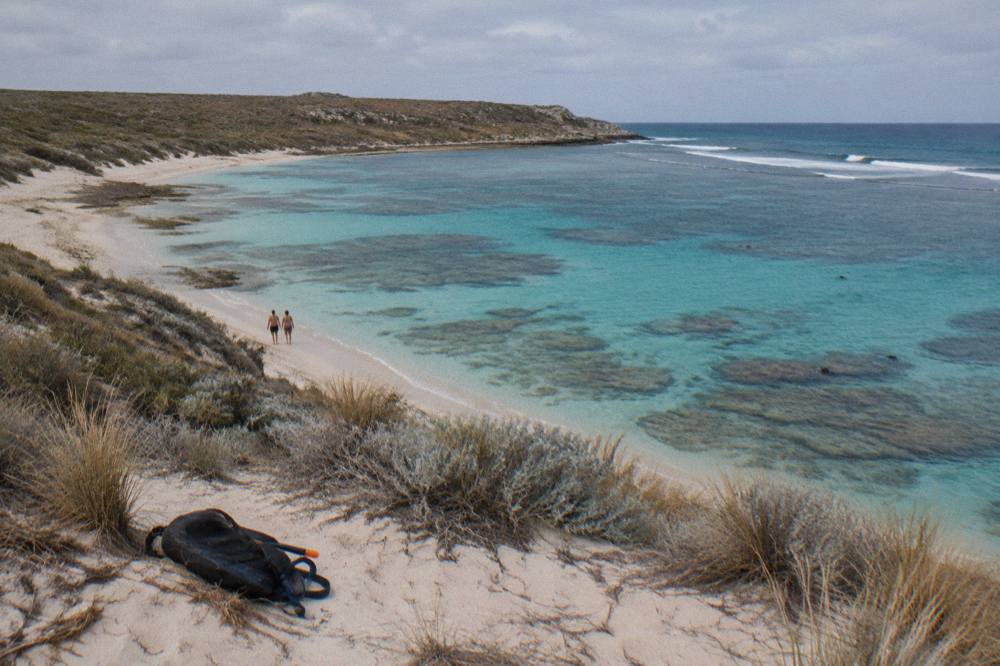
A note on seasons matters here too. Beach swimming is genuinely pleasant for most of the year, but the water cools through winter. March and April averages sit near 28 degrees, May stays warm, and the winter months of July through September slide down toward the low 20s, so a wetsuit or a short swim is the winter reality. The regional tourism body's whale shark page describes the broader seasonal pattern for the coast, and the same logic applies to the beaches: warm and steamy in autumn, mild and clear by spring.
Which Exmouth And Cape Range Beaches Are Best For Swimming?
Turquoise Bay is the best beach for swimming near Exmouth if you want coral right off the sand, Bundegi is the closest sheltered option to town, and Town Beach is the easiest choice for a quick dip on a free afternoon, so your best pick depends on whether you value reef, shelter, or convenience. Each suits a different day and a different mood: Turquoise Bay for snorkelling over coral gardens, Bundegi for calm water and turtle sightings in the shallows, Town Beach for convenience when you simply want to cool off before dinner. None of them requires a boat, a licence or anything beyond a mask and a towel.
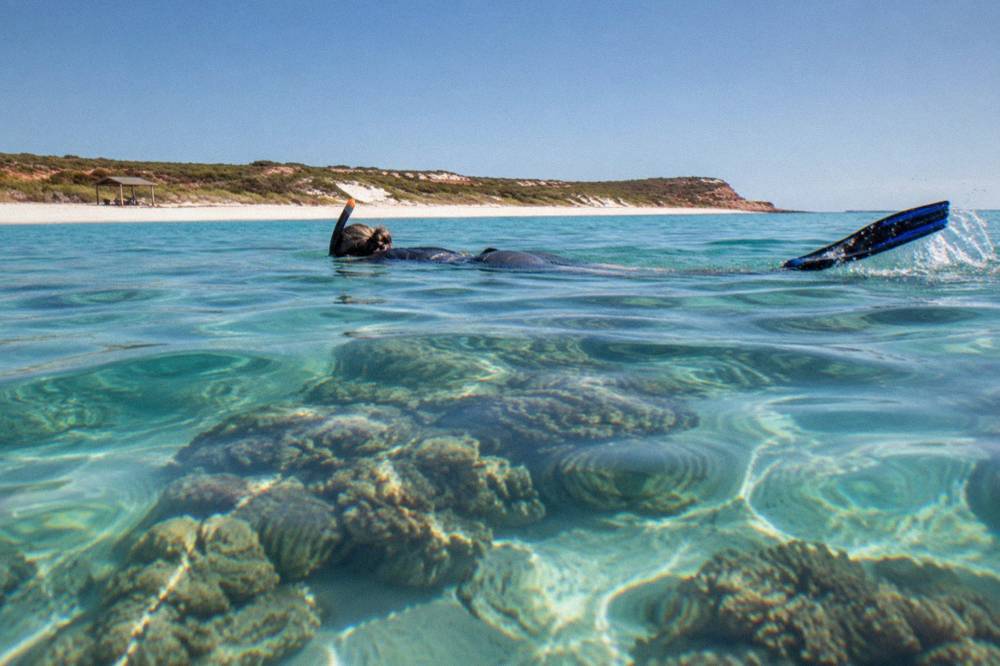
Turquoise Bay, about an hour's drive south of Exmouth inside Cape Range National Park, is the beach people travel for. Sand slopes into waist-deep water and coral begins within a few strides, so you can float over parrotfish and bommies without a boat. The beach sits inside the national park, which charges a standard entry fee of A$17 per vehicle, and the park authority's page lists the fee and pass details. In the middle of the day in peak season it is busy, which is one reason the Exmouth Adventure Co guided Ningaloo reef snorkel adventure is worth considering: it handles timing, gear and safety briefings and still puts you in the water from the beach.
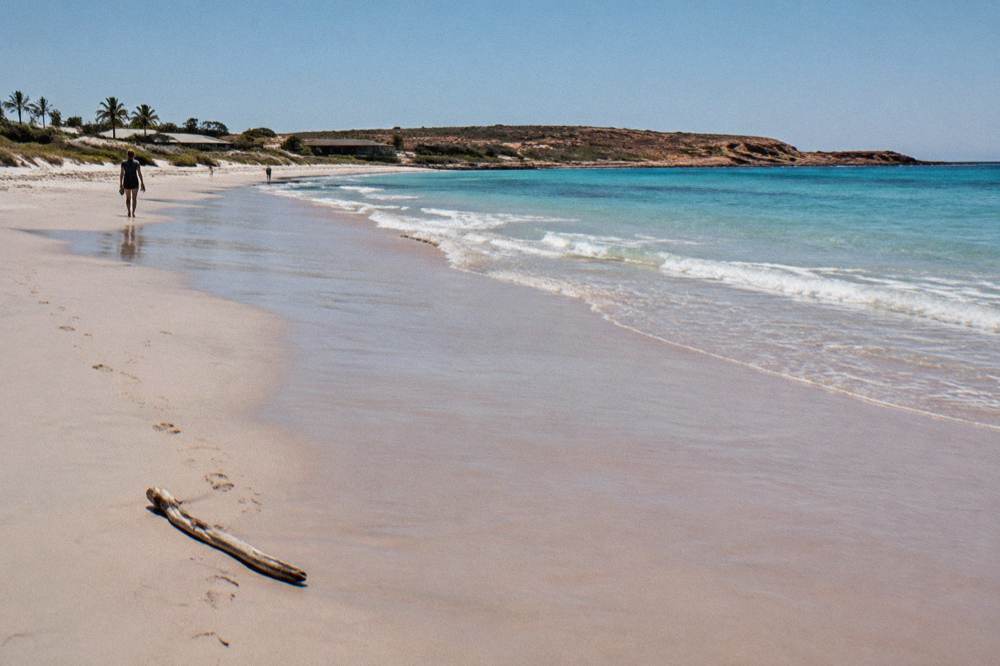
Bundegi Beach lies at the northern tip of the cape, near the navy pier and the boat ramp, about 15 minutes from the town centre. It faces into Exmouth Gulf, so it is typically gentler than the ocean side, with sand flats and seagrass that attract turtles and rays in the shallows. Boat tours are another way out onto the reef, among them the Cape Immersion six-hour Ningaloo reef snorkel and wildlife adventure, which picks up in Exmouth rather than at the pier, so a morning on the water and an afternoon at Bundegi pairs naturally.
Town Beach is the local's choice, a short drive or long walk from most Exmouth accommodation. It is a swimming beach rather than a snorkel beach, with a jetty, grass and shade, and it is where the Ocean Eco Adventures sunset whale watching cruise departs during the humpback season. If your question is simply whether you can cool off without driving an hour, Town Beach answers it.
| Beach | Setting | Best for | Access notes |
|---|---|---|---|
| Turquoise Bay | Ocean side, inside Cape Range National Park | Shore snorkelling over coral | About 1 hour from Exmouth, A$17 per vehicle park entry |
| Bundegi | Sheltered gulf side near the navy pier | Calm swimming, turtles in the shallows | About 15 minutes from town, near boat ramps |
| Town Beach | Gulf side, in Exmouth | Easy swims, families, jetty | Minutes from town accommodation |
| Coral Bay beach | Southern hub, reef steps from the sand | Swim and snorkel without a boat | About 151 km south of Exmouth |
One practical pattern is worth stating plainly: many visitors base themselves in Exmouth, swim the whale shark day with an Exmouth operator, then drive south to Coral Bay for a second, cheaper water day. The Coral Bay Ecotours manta eco safari and the Ningaloo Reef Dive manta trips all depart from that beach town, where the reef is literally at the shoreline. Our Exmouth vs Coral Bay comparison breaks down which base suits which trip length.
What About Currents, Tides And Stingers At Ningaloo Beaches?
Of currents, tides and stingers, currents are the main hazard to understand at Ningaloo beaches, particularly at Turquoise Bay, where water moves steadily through the bay and can carry snorkellers along the beach toward the rocks at the southern end, so plan your swim with that drift in mind. The reef dampens swell but it does not stop drift, and the widely repeated local advice is to swim within the marked zone, check the signs on arrival, and exit the water well before the point rather than trying to fight the current back. Stingers are a summer-season consideration rather than a year-round one, and beaches post advice whenever conditions change.
The current at Turquoise Bay is actually part of the appeal when handled well. Snorkellers enter at one end, drift over the coral gardens, and walk back along the sand to repeat. The failure mode is simple: staying in the water too long and finding yourself carried toward the rocks. Read the information board at the beach entry, swim with a buddy, and if you are at all unsure, a guided session such as the Exmouth Adventure Co Turquoise Bay snorkel includes a guide who manages exactly this. The park authority's Cape Range National Park page carries the official beach information for the area.
On the gulf side, at Bundegi and Town Beach, currents are usually weaker but tidal movement over the flats still matters at mid-tide. The ocean beaches inside the national park, including Sandy Bay and Lakeside further south, each have their own character, and the same rule applies everywhere on this coast: if there are no other swimmers and the signs flag a hazard, treat that as information, not caution for its own sake.
Stingers deserve an honest sentence rather than a scare story. Tropical waters of the WA coast carry box jellyfish and Irukandji risk mainly in the warmer, wetter months, and the risk drops substantially in the dry season from May onward, which is when most Ningaloo visitors come. Beaches and the visitor centre post current advice; wear a wetsuit or rash suit when advised, and the stinger season is one more reason the April-to-October stretch is when nearly everyone swims here. The official guidance on what lives in these waters, including why whale sharks gather, is on the department's whale shark management page.
How Does Shore Swimming Compare With The Boat Tours?
Shore swimming is free, flexible and genuinely good at Ningaloo, but the boat tours reach water and wildlife the beaches simply cannot: outer reef coral, manta ray cleaning stations and, on the dedicated trips, whale sharks and humpback whales in open ocean. The honest framing is not either-or, and most travellers who come to Exmouth do both, spending free afternoons on the beaches while reserving one or two full days for the bigger animals and the deeper reef only a vessel can reach. Budget, time and confidence decide the mix.
On price, the gap is wide. Beach swimming costs a vehicle entry fee at Cape Range and nothing at the town beaches. The boat options on this site's roster run from A$139 for the Ocean Eco Adventures sunset whale watch with no swimming, through A$145 for the Cape Immersion turtle snorkel, up to A$700 to A$745 for the three whale shark swims. That spread is the clearest argument for planning: the beach days cost almost nothing, so the budget can concentrate on the one or two boat experiences that matter most.
| Tour | Operator | Price from | Rating | Swim or view |
|---|---|---|---|---|
| Guided Ningaloo Reef Snorkel Adventure | Exmouth Adventure Co. | A$250 | 4.9 from 62 reviews | Guided beach snorkel at Turquoise Bay |
| Turtle Tour on the Ningaloo Reef | Cape Immersion Tours | A$145 | 4.8 from 197 reviews | Short boat snorkel from Exmouth |
| Six-Hour Ningaloo Reef Snorkel | Cape Immersion Tours | A$275 | 4.9 from 138 reviews | Boat snorkel, lunch included |
| Ningaloo in a Day | Exmouth Adventure Co | A$320 | 5 from 6 reviews | Snorkel plus Yardie Creek cruise |
| Sunset Whale Watching Cruise | Ocean Eco Adventures | A$139 | 4.8 from 47 reviews | Whale watching, no swim |
The guided Turquoise Bay trip is the natural bridge between the two worlds. It is a shore-based snorkel, so it stays affordable from A$250 per person, but it comes with a guide, gear, refreshments and hotel pickup, which the listing states. For families or anyone nervous about swimming off a beach alone, it converts the best beach on the cape into a managed experience. For the flip side, a full whale shark day such as the Ningaloo Blue swim from Exmouth, from A$705 with hotel pickup, or the Coral Bay Ecotours whale shark safari, from A$745 including a champagne lunch, puts you in open water with the biggest fish in the sea, something no beach can do.
When Is The Warmest Water For Beach Swimming Near Exmouth?
The warmest water for beach swimming near Exmouth runs from March through May, when long-term monthly sea surface averages sit near 28 degrees. From that peak the sea cools steadily through winter to roughly 23 degrees by September, then climbs again toward summer. April is the warmest month on average, May stays close behind, and the June-to-August stretch slides into the low-to-mid 20s, which is still warmer than most southern Australian beaches in the height of their summer. For pure comfort swimming, autumn is the sweet spot.
That temperature curve lines up neatly with the whale shark season, which the state parks authority describes as March to August at Ningaloo, with sightings often extending to October and even early November in recent years. So a March-to-May visitor gets two things at once: the warmest beach water of the year and the heart of the whale shark season. A September or October visitor trades a few degrees of warmth for humpback season, when the Ocean Eco Adventures sunset cruise out of Exmouth and the Coral Bay Ecotours humpback safari, from A$745, are both running.
Winter swimmers are not suffering. Mid-20s water in June and July is warmer than most Australian southern beaches in summer, and it is why snorkellers at Turquoise Bay in July are usually in wetsuits provided by their tour rather than shivering. If your trip is a whale shark swim plus beach days, a light wetsuit or a spring suit for winter shore snorkelling is the sensible call. Our guide to Exmouth weather and the best time to visit goes deeper on the calendar.
| Period | Average water temperature | What it means for swimmers |
|---|---|---|
| March to April | Near 28 degrees | Peak warmth, light suit or none |
| May | Still in the high 20s | Comfortable for long swims |
| June to August | Mid 20s, cooling | Wetsuit recommended for long snorkels |
| September to October | Roughly 23 degrees | Coolest stretch, short swims or a suit |
What Should You Know Before You Swim At Turquoise Bay?
Before swimming at Turquoise Bay, know three things: it sits inside a fee-charging national park about an hour south of Exmouth, the snorkelling is a drift across coral rather than a flat lagoon, and its fame means arriving early or late in the day is often the difference between a quiet swim and a crowded one. None of these are reasons to skip it, and none make it dangerous. It is simply a beach that rewards a little planning the same way the best beaches anywhere do.
The entry point is Cape Range National Park, which charges A$17 per standard vehicle, with concession and motorcycle rates lower, and the fee details are on the park authority's official Cape Range National Park page. The drive from Exmouth is about an hour south through the range, so most people pair Turquoise Bay with other park stops. That is exactly what the Exmouth Adventure Co Ningaloo in a Day tour does, combining a snorkel with the Yardie Creek cruise and a full day of the cape for from A$320 per person, rated 5 from 6 reviews with a group size of eight.
In the water, enter where the signs indicate, let the gentle drift carry you over the coral, and plan your exit before the southern end of the beach. Fins help, a buddy is standard practice, and full sun protection matters because the water is shallow and bright. If any of that sounds like more logistics than a holiday needs, the guided Turquoise Bay snorkel handles it, and it is the tour this site features for shore swimmers: gear, guide and pickup, from A$250 per person. Whale Shark Tours Exmouth keeps a live roster of these water options so the beach days and boat days can be booked side by side.
The last thing worth knowing is the seasonal rhythm of the crowd. Turquoise Bay is busy from mid-morning to mid-afternoon in the July school holidays and the April peak of whale shark season. Locals swim it before 9 am or after 3 pm, when the sand is quieter, the light on the coral is softer and the drift feels like your own. For everything else on the non-swim days, the things to do in Exmouth beyond whale sharks guide covers Yardie Creek, the canyons and the lighthouse.
A final word on the wider coast: beach swimming at Exmouth is one of the town's quiet advantages over almost any other whale shark destination on Earth. The same waters that draw 41,000 swimmers a season to the boat tours hold turtles, rays, reef fish and coral within walking distance of the sand. Pack a mask in the car, check the signs at each beach, and the answer to whether you can swim at the beach in Exmouth becomes the easiest part of the trip.
Common Questions About Beach Swimming In Exmouth
Can You Swim At The Beach In Exmouth?
Yes. Turquoise Bay, Bundegi and Town Beach all offer swimming, with Turquoise Bay the standout for shore snorkelling over coral. Check each beach's signs on the day, as conditions vary with wind and tide.
Which beach near Exmouth is best for snorkelling from the shore?
Turquoise Bay, inside Cape Range National Park, is the best shore snorkel near Exmouth, with coral starting within a few strides of the sand. It is about an hour's drive from town and carries a A$17 per vehicle park entry fee.
Is there a current at Turquoise Bay?
Yes, water moves through the bay and snorkellers drift with it across the coral. Swim within the marked area, exit before the southern end, and treat the signs at the beach as the current local advice.
Are there stingers at Exmouth beaches?
Tropical stinger risk is mainly associated with the warmer, wetter months and drops in the dry season from May onward, when most visitors come. Beaches and the visitor centre post current advice, and a rash suit or wetsuit is sensible when recommended.
How warm is the water for swimming near Exmouth?
Long-term monthly averages peak near 28 degrees from March to May and cool to roughly 23 degrees by September. A wetsuit is comfortable for longer winter snorkels but not needed for a quick autumn swim.
Do I need a boat tour if the beach swimming is good?
The beaches cover reef fish, turtles and coral, but only the boat trips reach manta cleaning stations, humpbacks and the whale shark swims. Most travellers combine free beach days with one or two tours, from the A$145 turtle snorkel to the A$700 to A$745 whale shark swims.